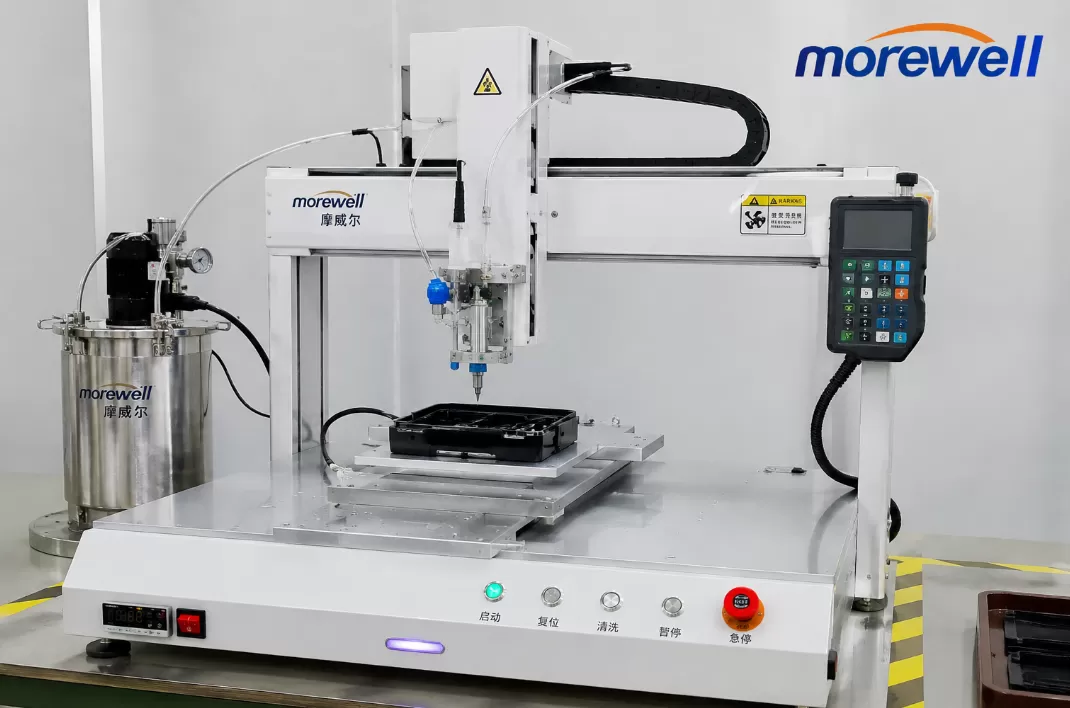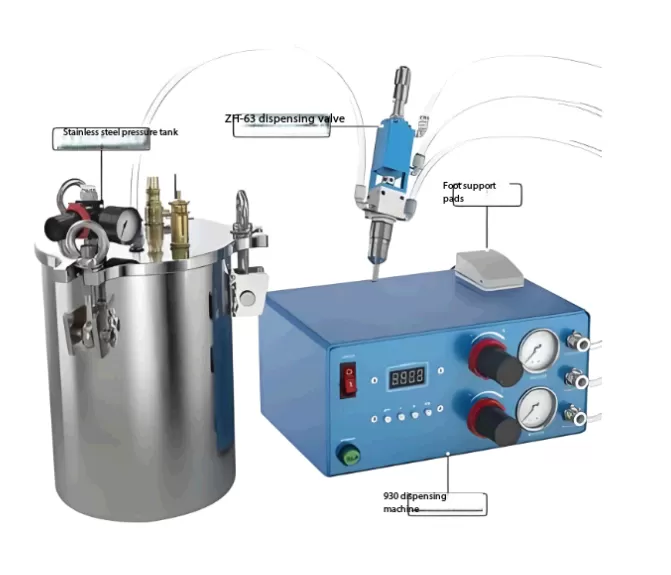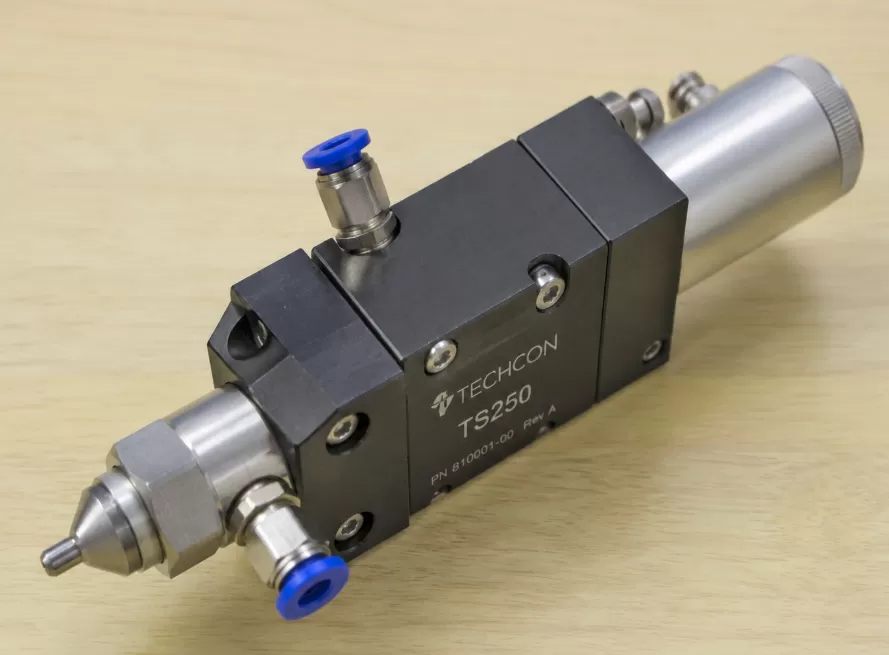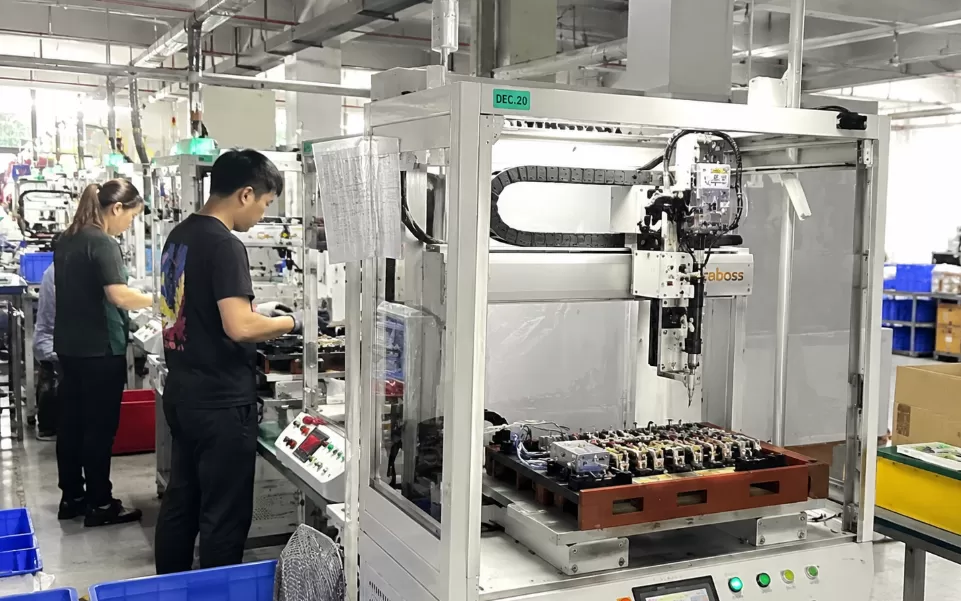
Precision dispensing machines have become a cornerstone of modern electronics manufacturing. As devices continue to shrink in size and grow in complexity, these systems deliver the accuracy, consistency, and speed required to meet today's exacting quality standards. By automating the application of adhesives, thermal interface materials, and protective coatings, they not only enhance product performance and reliability but also drive significant gains in production efficiency and cost control. From smartphones and wearables to automotive electronics and LED lighting, precision dispensing is enabling the next generation of electronic innovation.
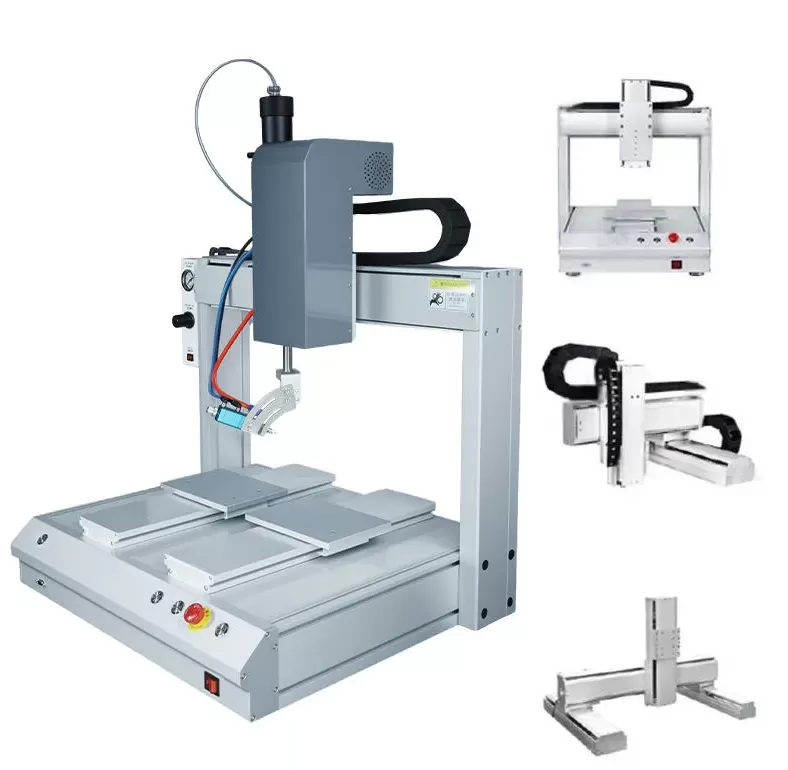
Advantages of Precision Dispensing Machines in the Electronics Industry
In modern electronics manufacturing, precision dispensing machines have become indispensable equipment. They employ high‑accuracy dispensing technology to deposit adhesives precisely onto designated micro‑areas, meeting the stringent demands of electronic products for process precision, throughput, and quality. As electronic devices grow smaller and more complex, the advantages of precision dispensing become even more pronounced.
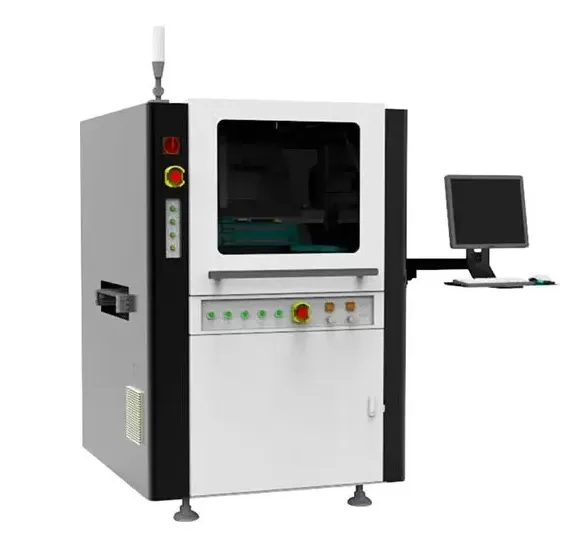
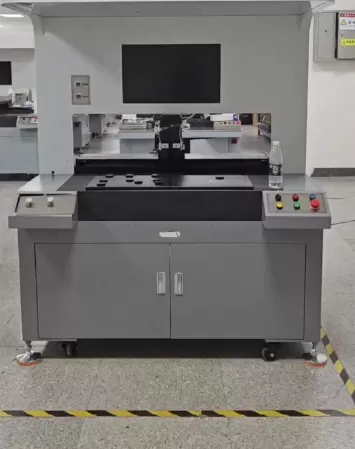
Online High Speed High Precision CCD System Full Automatic SMT Glue Dispenser Machine
1. High Precision and Consistency
The greatest strength of precision dispensing machines lies in their ability to deliver both high accuracy and outstanding consistency. As electronic components shrink in size and their internal structures become more intricate, traditional manual dispensing methods can no longer achieve the required precision. Precision dispensers, operating under pre‑programmed parameters, apply adhesive exactly to minute target regions, eliminating the errors and non‑uniformities inherent in hand‑based operations. This high‑precision deposition not only enhances product performance but also ensures batch‑to‑batch uniformity, thereby significantly reducing defect rates.
2. Automation and Efficiency Gains
The electronics industry places ever‑increasing demands on production speed and efficiency. By automating the dispensing process, these machines dramatically boost throughput. Manual dispensing is not only time‑consuming and labor‑intensive but also heavily reliant on operator skill, making it susceptible to human‑induced delays and variability. In contrast, automated precision dispensers can operate around the clock, substantially shortening cycle times and minimising quality issues arising from operator fatigue. Furthermore, automation reduces dependence on highly skilled labour, helping to lower overall personnel costs.
3. Versatility and Broad Adaptability
Precision dispensing machines offer remarkable versatility, accommodating a wide variety of adhesive types and complex process requirements. Whether dispensing conductive adhesives, thermal interface materials, or UV‑curable compounds, these systems can adjust parameters to suit the specific rheological properties of each material, ensuring optimal application results. Moreover, they can handle components of diverse shapes, sizes, and substrates, making them suitable for numerous application scenarios. In fields such as smartphones, wearables, LED lighting, and automotive electronics, precision dispensers consistently meet rigorous process standards and deliver high‑quality dispensing performance.
4. Enhanced Product Reliability and Longevity
The use of precision dispensing also significantly improves the reliability and service life of electronic products. Many components require adhesive coatings to protect against environmental factors such as moisture, dust, and mechanical shock. Precision dispensing ensures uniform coverage of critical areas, thereby strengthening the protective barrier and preventing defects caused by uneven application. This consistent, accurate dispensing not only boosts product durability but also guarantees stable, dependable operation even under harsh conditions.
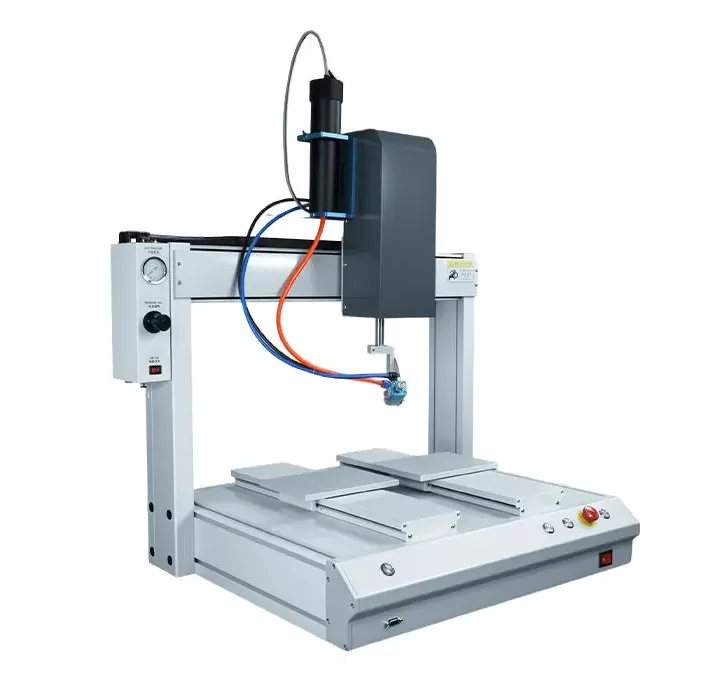
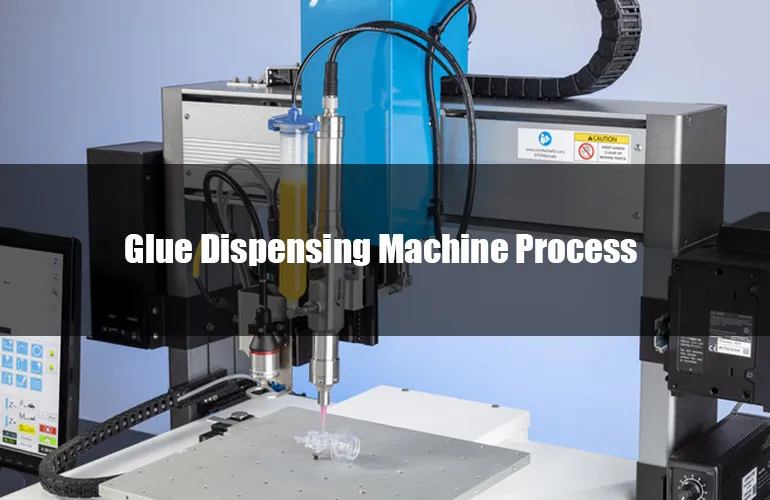
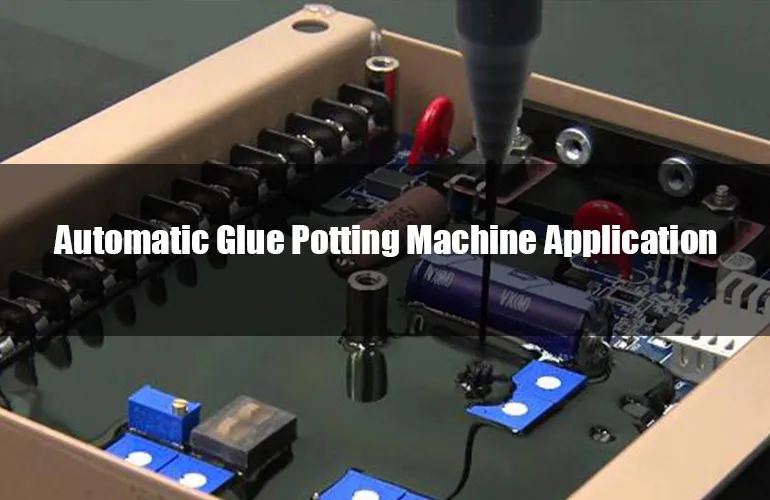
PCB precision dispensing machines
In summary, precision dispensing machines offer clear and substantial benefits to the electronics industry, including high precision, increased efficiency, versatile adaptability, and material savings. These advantages not only enhance product quality and production productivity but also contribute to cost control and sustainable manufacturing. As electronic products continue to evolve and advance, the application scope and importance of precision dispensing equipment will only continue to expand.