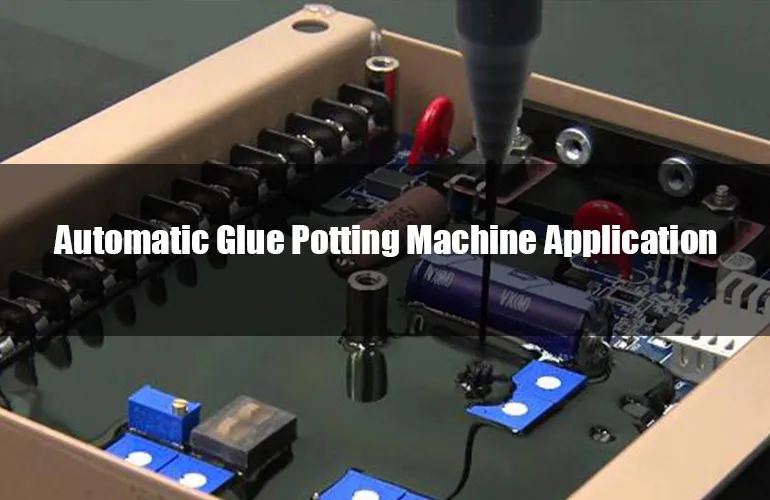
Choosing the right potting compound is critical for ensuring long-term reliability in applications such as motor stators, electrical connectors, temperature sensors, pressure sensors, power modules, and industrial control systems. In harsh environments involving high temperatures, thermal cycling, vibration, and electrical stress, conventional potting materials may suffer from cracking, shrinkage, insulation failure, or poor structural stability. This article explains the key performance requirements for high-reliability potting applications and introduces Morewell MW 1796 A/B thermal-curing epoxy potting compound. With features such as low coefficient of thermal expansion (CTE), low curing shrinkage, excellent electrical insulation, H-class temperature resistance (-60°C to 200°C), and strong thermal stability, MW 1796 provides a reliable encapsulation solution for demanding industrial and electronic applications. The article also covers practical application scenarios, core technical advantages, viscosity and thermal performance data, as well as recommended processing and curing guidelines to help engineers and manufacturers improve product durability and long-term operational stability.
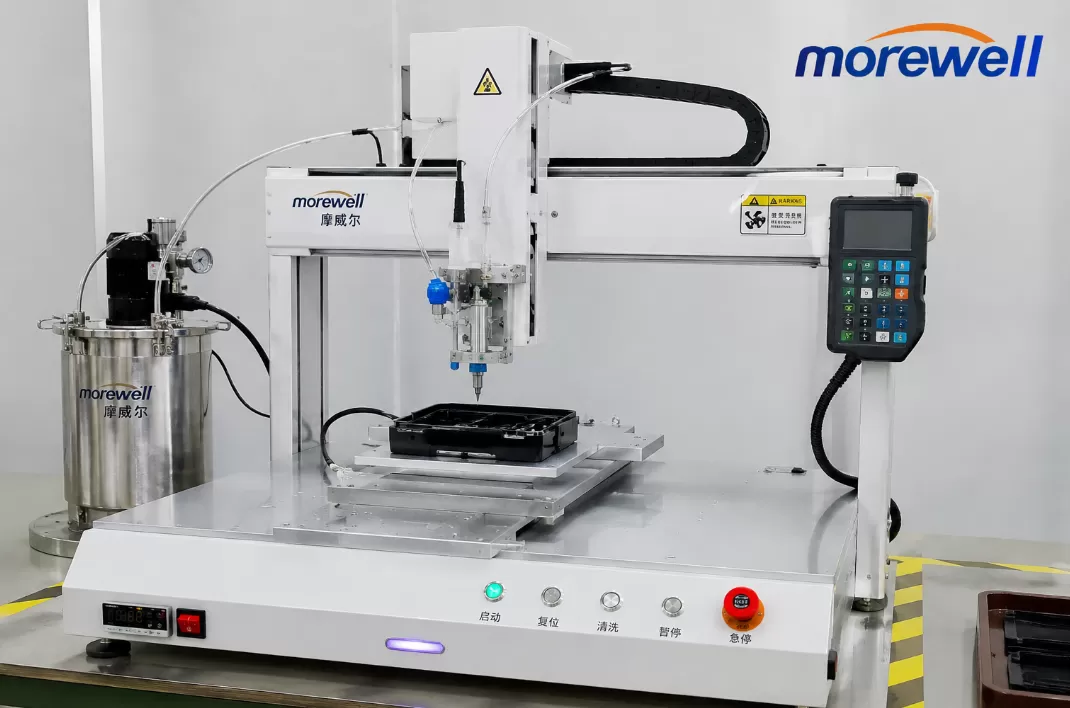
How to Choose Potting Compounds for Motor Stators, Connectors, and Temperature Sensors
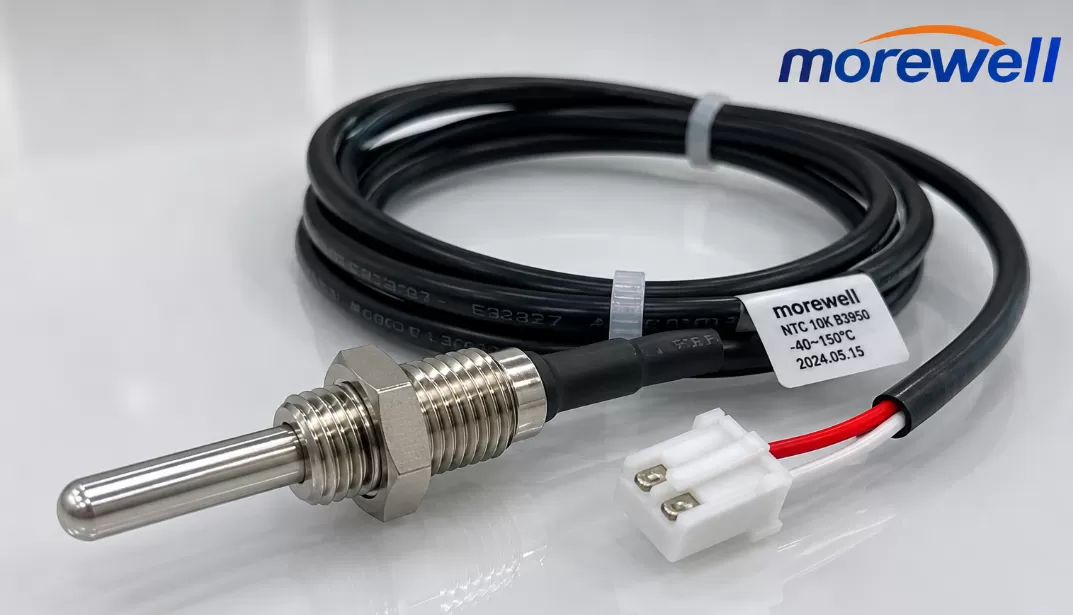
In applications such as motor stators, electrical connectors, temperature sensors, pressure sensors, power modules, industrial control modules, and reactors, potting compounds do far more than simply “fill and protect.” They directly affect electrical insulation reliability, resistance to high and low temperatures, crack resistance, dimensional stability, and long-term service life. Especially in environments involving thermal cycling, continuous high temperatures, electrical insulation requirements, and strict dimensional stability, ordinary potting materials may suffer from cracking, shrinkage, delamination, insulation degradation, or trapped air bubbles.
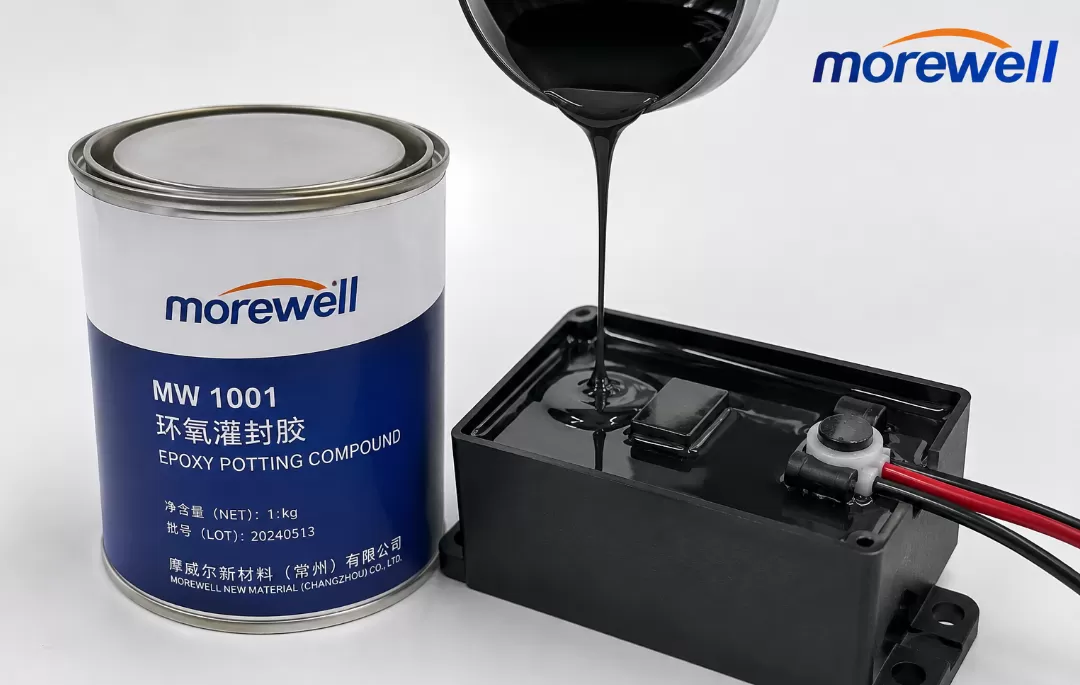
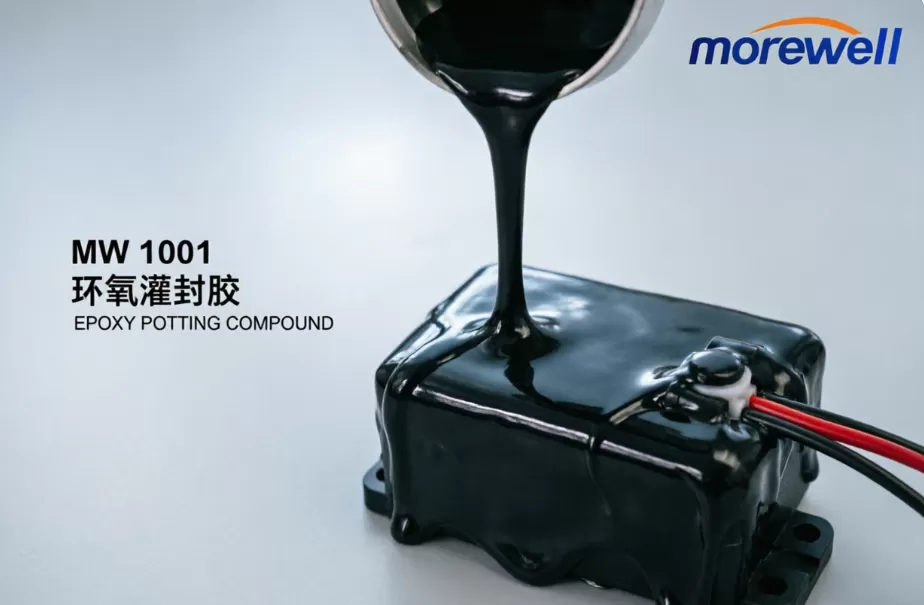
For these high-reliability potting applications, Morewell recommends MW 1796 A/B Thermal-Curing Potting Compound.
MW 1796 A/B is a two-component, solvent-free, heat-curing epoxy potting compound with excellent processability and adjustable mixing ratios. It offers outstanding resistance to high- and low-temperature aging and is suitable for potting applications such as reactors, connectors, pressure sensors, temperature sensors, industrial control modules, and motor stators.
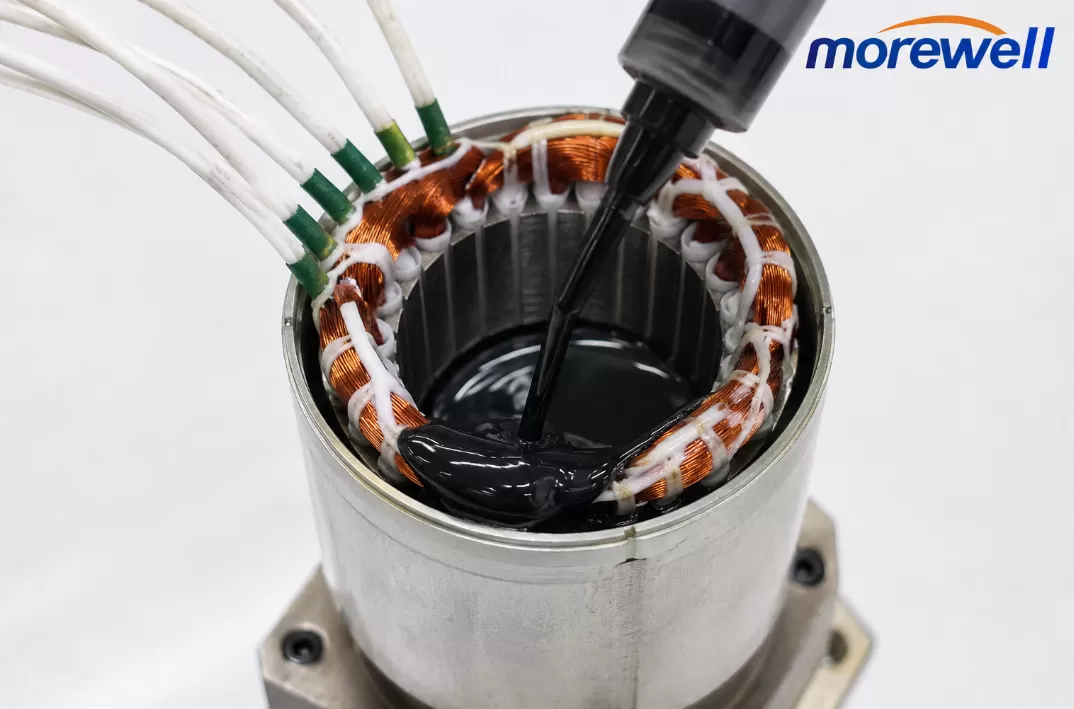
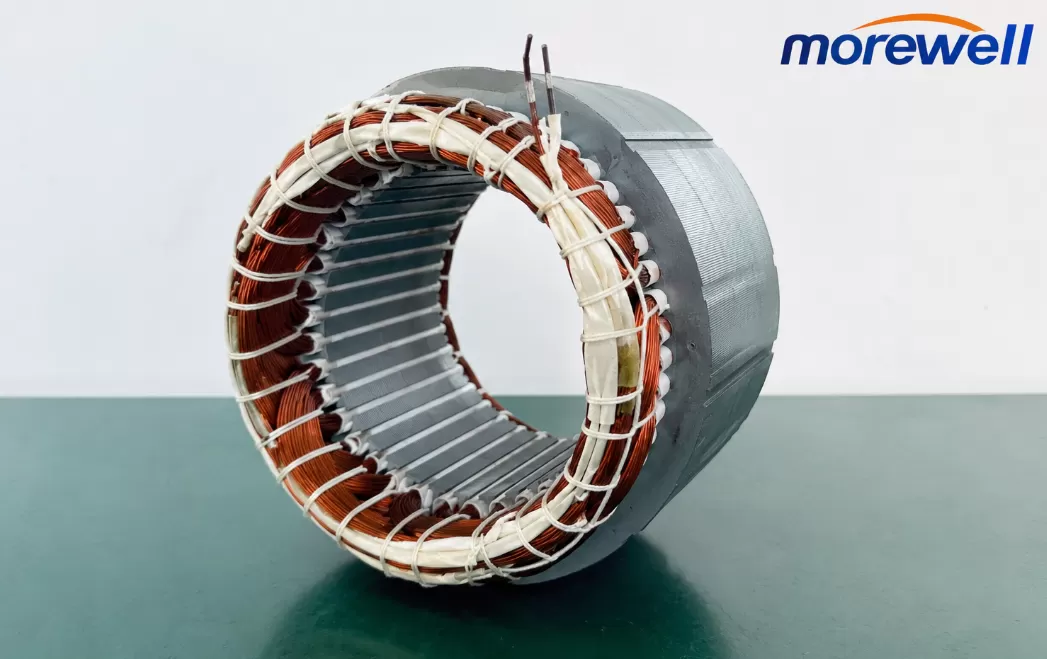
1. Motor Stator Potting: High Temperature, Vibration, and Thermal Stress
Motor stators continuously generate heat during operation. The windings, core, and housing all expand differently under temperature changes. If the potting compound has a high coefficient of thermal expansion (CTE) or excessive curing shrinkage, it may lead to cracking, coil loosening, and insulation failure.
Therefore, motor potting compounds should provide:
-
Excellent thermal shock resistance
-
Low coefficient of thermal expansion
-
Strong electrical insulation
-
High hardness with good toughness
-
Long-term heat resistance
MW 1796 features low CTE, low curing shrinkage, high hardness, and good toughness, making it suitable for motor stators, coils, and high-temperature electrical encapsulation applications.
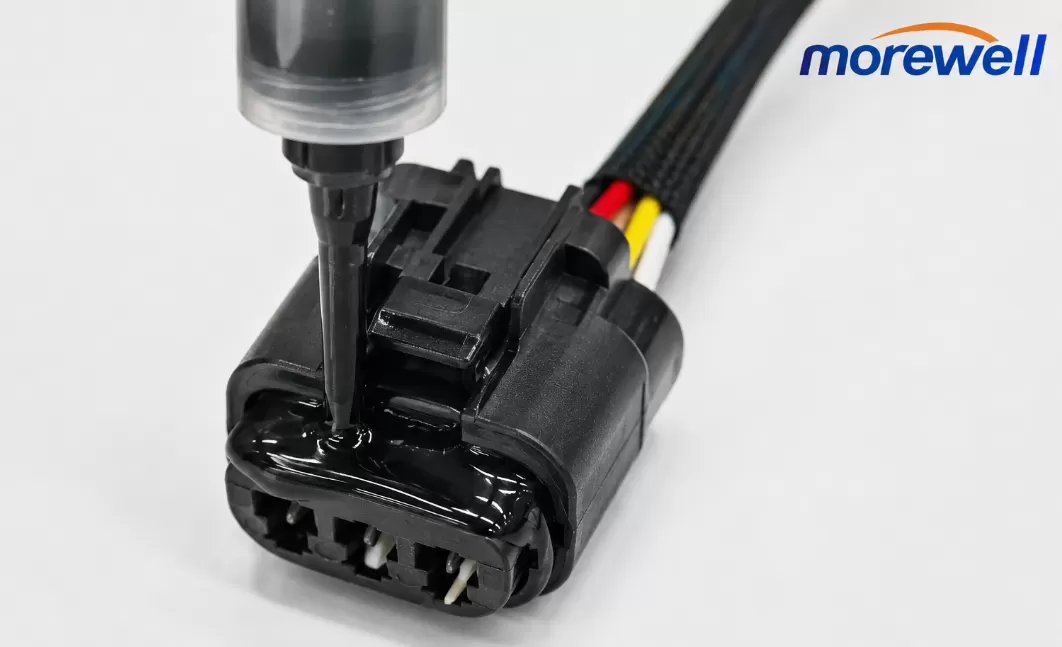
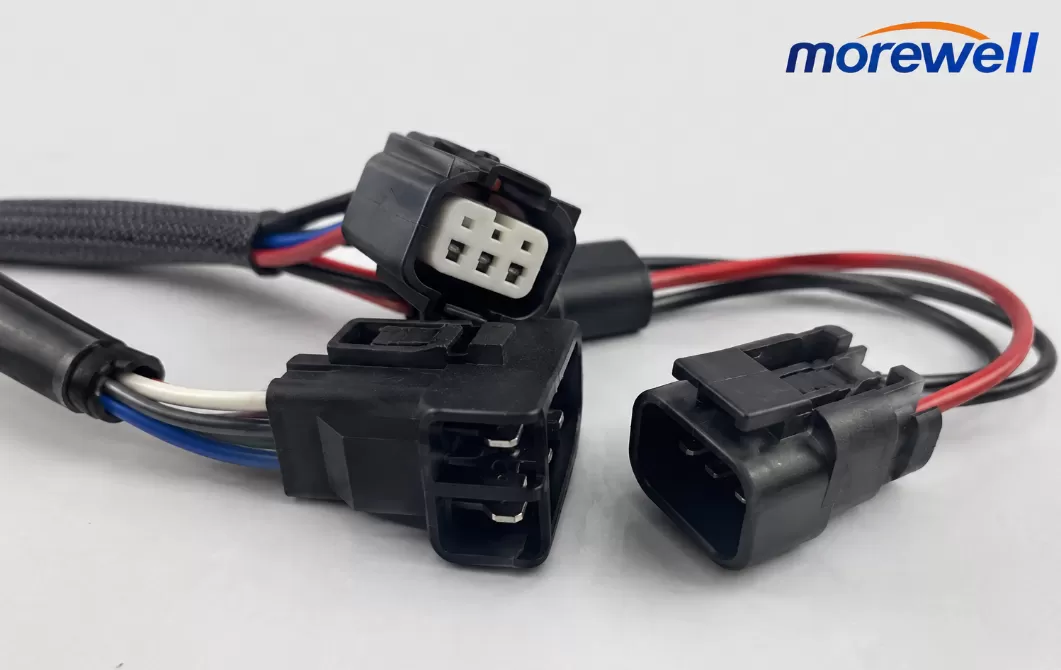
2. Connector Potting: Insulation, Moisture Protection, and Dimensional Stability Matter
Electrical connectors remain under continuous electrical load, and the internal pins, terminals, solder joints, and wire connections require reliable insulation and sealing.
If the potting material shrinks excessively, stress concentration may occur around the terminals. Insufficient temperature resistance can cause interface cracking after long-term thermal cycling, while poor insulation performance may result in leakage current, short circuits, or signal instability.
Therefore, connector potting compounds should focus on:
-
Low shrinkage
-
High electrical insulation
-
Low viscosity for easy filling
-
Resistance to thermal shock
-
Long-term thermal stability
MW 1796 has relatively low mixed viscosity, and its viscosity decreases significantly as temperature rises, allowing it to penetrate narrow gaps inside connectors more effectively for complete filling and protection.
According to the technical data:
At a 100:15 mixing ratio, the mixed viscosity is:
-
1500 ± 500 mPa·s at 25°C
-
600 ± 100 mPa·s at 40°C
-
300 ± 50 mPa·s at 60°C
-
120 ± 50 mPa·s at 80°C
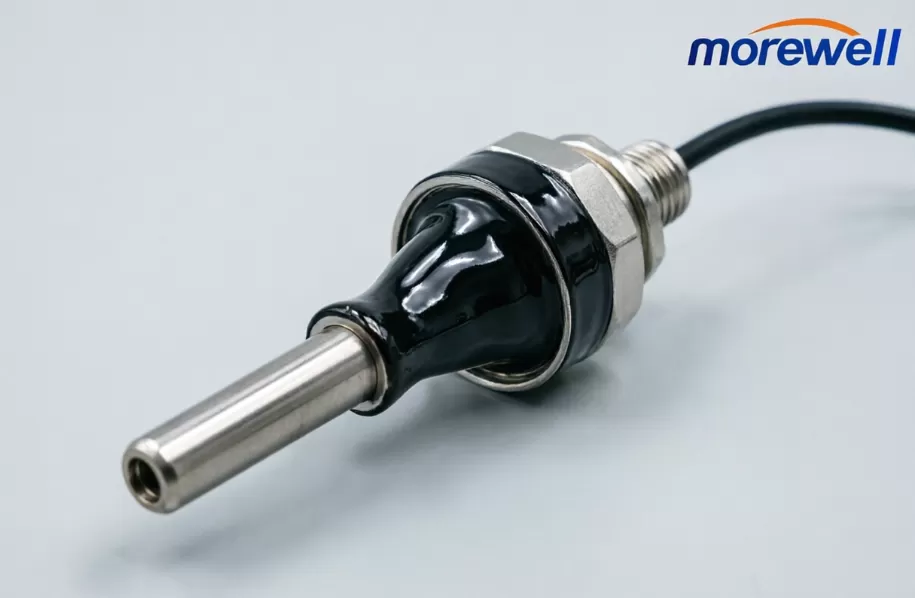
3. Temperature Sensor Potting: Heat Resistance and Thermal Stability Determine Long-Term Reliability
Temperature sensors are often exposed to continuous high temperatures or frequent thermal fluctuations, requiring excellent thermal resistance, thermal stability, and electrical insulation.
MW 1796 is rated as an H-class insulation material with a temperature resistance range of -60°C to 200°C. It also provides excellent electrical insulation and thermal stability, making it suitable for temperature sensors, pressure sensors, and other applications requiring long-term environmental durability.
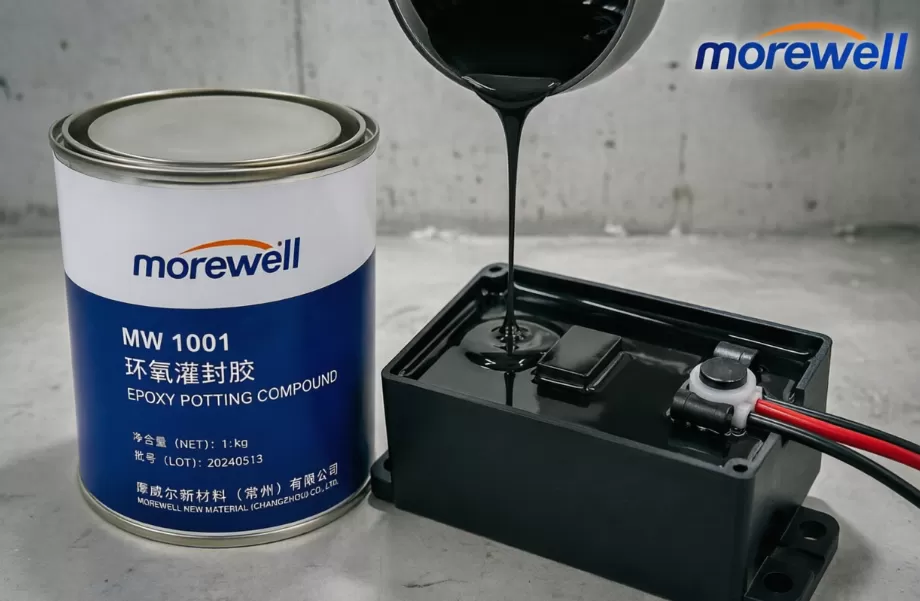
4. Power Module Potting: Thermal, Electrical, and Structural Protection Are All Essential
Power modules are typically exposed to heat generation, voltage stress, and structural stress during operation. The potting material must protect electronic components while minimizing cracking caused by thermal cycling.
Depending on the mixing ratio, MW 1796 offers thermal conductivity values of either 1.2 W/m·K or 1.5 W/m·K. It also provides:
-
Dielectric strength ≥ 18 kV/mm
-
Volume resistivity: 1.0E+15 Ω·cm
These properties help power modules achieve reliable heat dissipation, electrical insulation, and structural protection.
5. Recommended Product: MW 1796 A/B Thermal-Curing Potting Compound
MW 1796 A/B is a heat-curing epoxy potting compound developed by Morewell for applications requiring:
-
High and low temperature resistance
-
High-temperature electrical protection
-
Low-shrinkage encapsulation
-
Filling of complex structures
Key advantages include:
-
Low coefficient of thermal expansion
-
Low curing shrinkage
-
High hardness with good toughness
-
Excellent electrical insulation and thermal stability
-
Low viscosity for easy filling
-
H-class temperature resistance
-
Operating temperature range: -60°C to 200°C
-
Strong thermal shock resistance
-
Adjustable mixing ratio for flexible processing
6. Key Performance Advantages of MW 1796
1. Low Coefficient of Thermal Expansion (CTE): Reduces Thermal Cracking Risk
In motor stators, connectors, sensors, and power modules, differences in thermal expansion between materials are a major cause of cracking.
MW 1796 features a low CTE. According to the PDS:
At 100:15 ratio:
-
33 μm/(m·°C) below Tg
-
80 μm/(m·°C) above Tg
At 100:12 ratio:
-
23 μm/(m·°C) below Tg
-
70 μm/(m·°C) above Tg
This helps reduce internal stress during thermal cycling and minimizes the risk of cracking or interface failure.
2. Low Curing Shrinkage: Protects Precision Components
Excessive curing shrinkage can create tensile stress on solder joints, coils, terminals, sensor chips, and internal module structures, affecting long-term reliability.
MW 1796 offers low curing shrinkage:
-
0.99% at 100:15 ratio
-
0.86% at 100:12 ratio
This makes it suitable for applications sensitive to dimensional stability and structural stress.
3. Low Viscosity: Better Filling for Complex Structures
Connectors, temperature sensors, pressure sensors, and industrial control modules often contain narrow gaps, small cavities, and irregular spaces. High-viscosity materials may lead to incomplete filling, voids, or trapped bubbles.
MW 1796 has low viscosity, and its flowability improves further when heated. At a 100:15 ratio, the mixed viscosity can decrease to 120 ± 50 mPa·s at 80°C, helping the material penetrate fine gaps and improve potting integrity.
4. H-Class Temperature Resistance: Suitable for Long-Term High-Temperature Applications
MW 1796 is rated as an H-class material with a temperature range of -60°C to 200°C, making it suitable for temperature sensors, motor stators, reactors, and power modules operating under long-term high-temperature or thermal shock conditions.
Its wide operating temperature range helps improve overall product reliability in harsh environments.
5. Excellent Electrical Insulation: Protects Electrical Safety
Potting compounds used in motors, connectors, sensors, and power modules must maintain stable electrical insulation properties.
MW 1796 provides:
-
Dielectric strength ≥ 18 kV/mm
-
Volume resistivity: 1.0E+15 Ω·cm
-
Dielectric loss: 0.002
These properties help reduce the risks of leakage current, short circuits, and electrical breakdown.
1. Motor Potting / Motor Stator Potting
Suitable for motor stator windings, coils, and electrical cavities, providing fixation, insulation, heat resistance, and thermal shock protection.
2. Connector Potting
Suitable for connector terminals, pins, and wire harness connection areas, improving moisture resistance, insulation, thermal resistance, and structural protection.
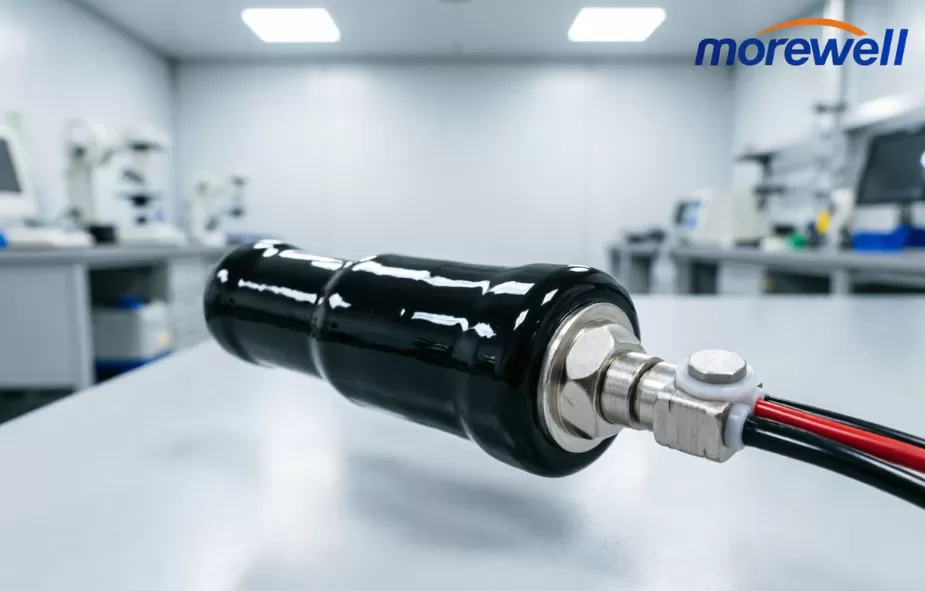
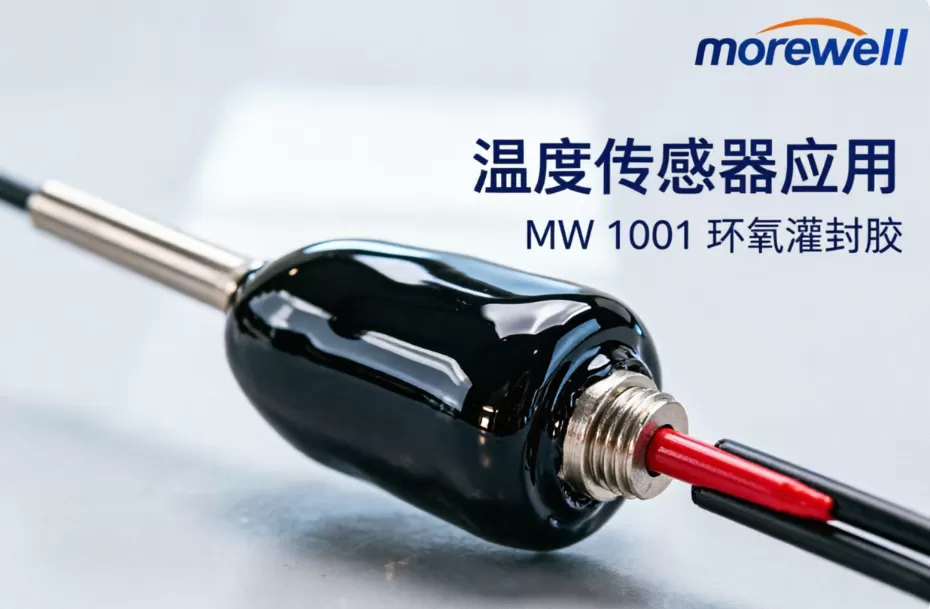
3. Temperature Sensor Potting
Suitable for temperature sensors and pressure sensors requiring resistance to thermal cycling, high-temperature aging, and long-term electrical insulation.
4. Power Module Potting
Suitable for power electronic modules, industrial control modules, and reactors, balancing low shrinkage, electrical insulation, thermal stability, and thermal conductivity.
1. Thoroughly Stir Part A Before Use
Part A may experience filler sedimentation during storage. Stir thoroughly before use.
In winter, it is recommended to preheat Part A in a 60°C oven for 1 hour before stirring to reduce viscosity and improve mixing consistency.
2. Select the Appropriate Mixing Ratio
MW 1796 supports mixing ratios of:
-
A:B = 100:15
-
A:B = 100:12
Different ratios will affect viscosity, Tg, thermal conductivity, hardness, and curing shrinkage.
3. Vacuum Degassing After Mixing
After thoroughly mixing Parts A and B, vacuum degassing is recommended to minimize bubbles that may affect electrical insulation, thermal conductivity, and appearance.
4. Secondary Vacuuming After Potting
For complex structures such as connectors, sensors, and power modules, additional vacuum treatment after potting can further improve electrical performance.
5. Recommended Curing Conditions
Recommended curing schedule:
-
80°C × 2 hours
-
Followed by 130°C × 2 hours
These are also the curing conditions used for performance testing in the PDS.
In applications such as motor potting, connector potting, temperature sensor potting, and power module encapsulation, the material must simultaneously provide:
-
High and low temperature resistance
-
Low coefficient of thermal expansion
-
Low curing shrinkage
-
Stable electrical insulation
-
Low viscosity for easy filling
-
Long-term reliability
With its H-class temperature rating, wide operating range of -60°C to 200°C, low CTE, low shrinkage, low viscosity, excellent electrical insulation, and strong thermal shock resistance, Morewell MW 1796 A/B Thermal-Curing Potting Compound provides a reliable potting solution for motor stators, connectors, temperature sensors, pressure sensors, industrial control modules, and power modules.