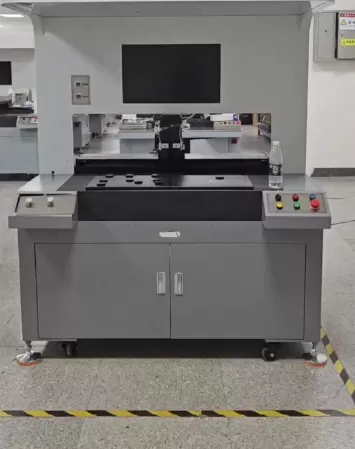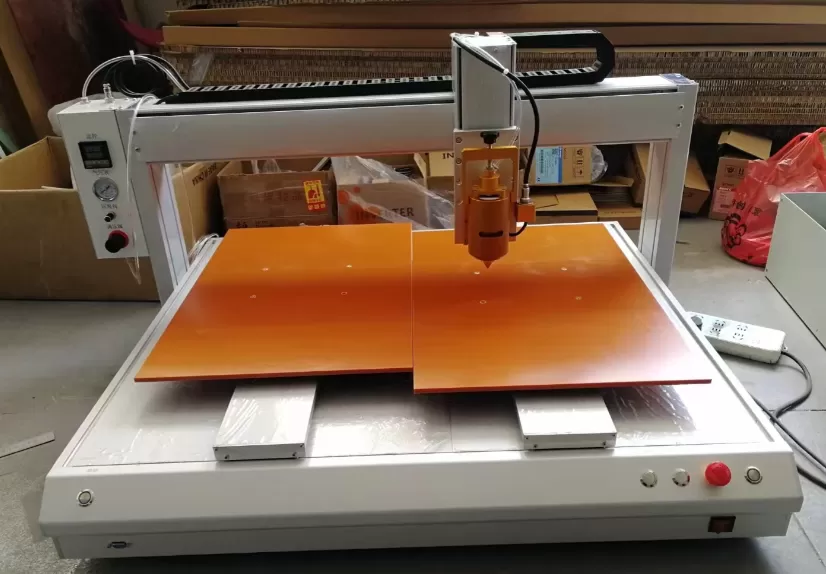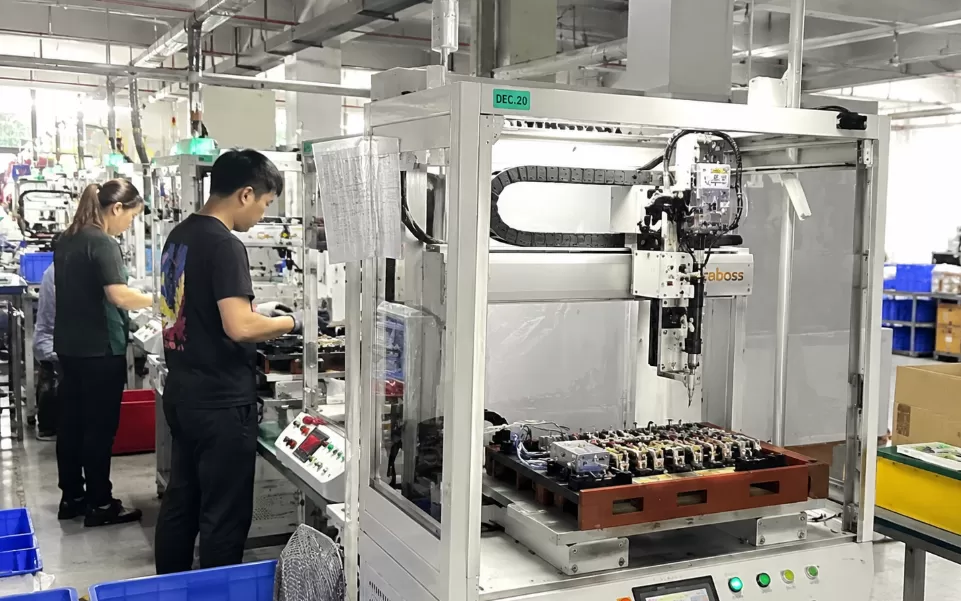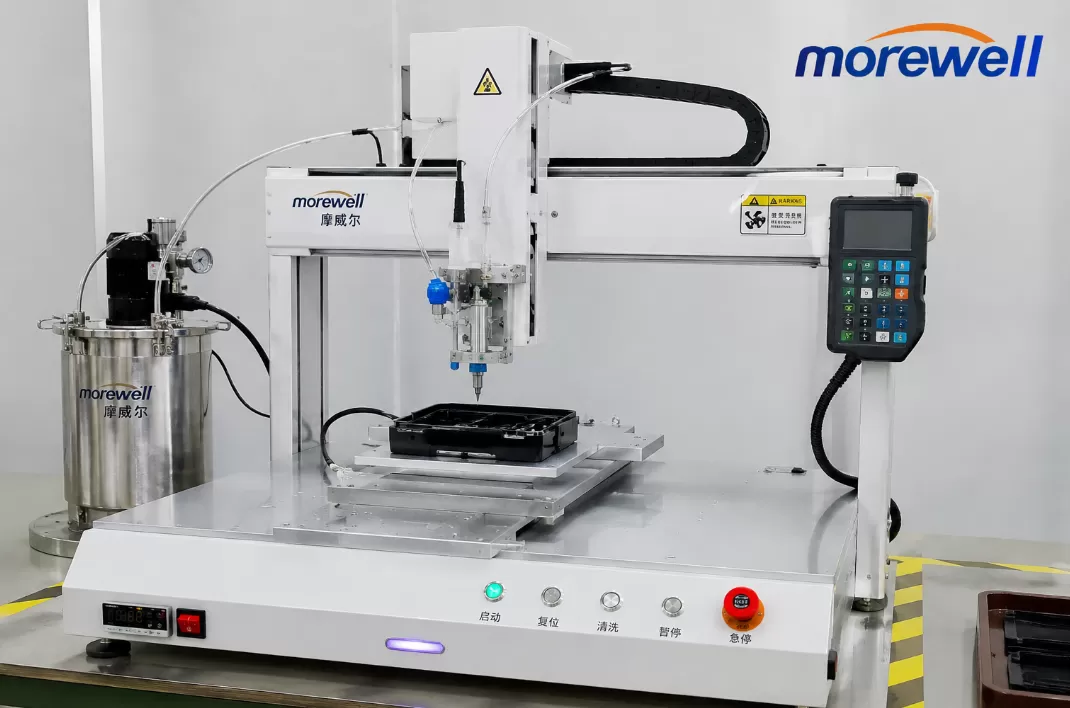
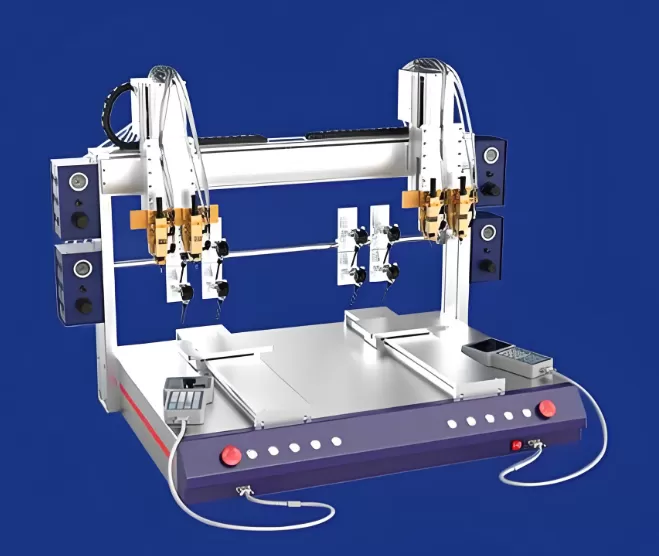
automatic dispensing machine benefits

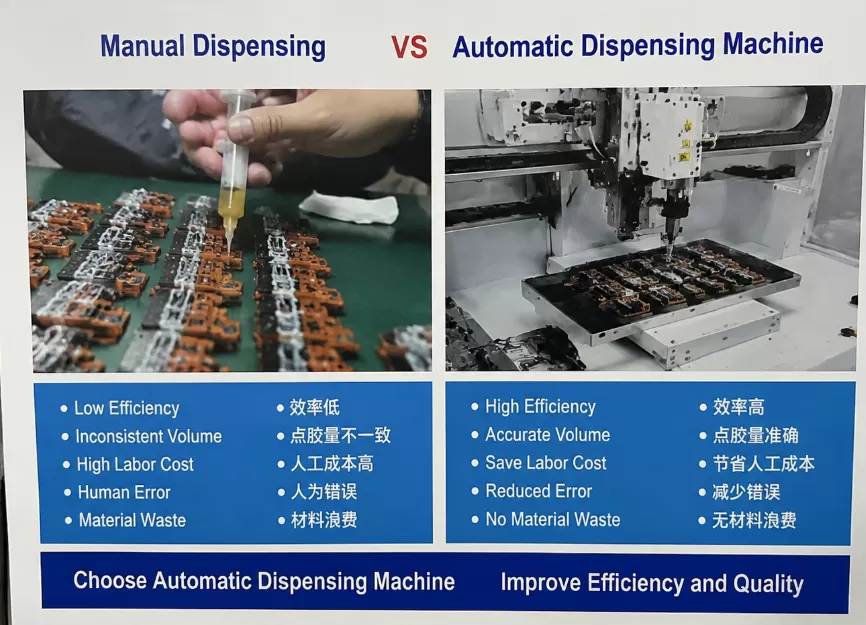
Manual Dispensing vs Automatic Dispensing Machine

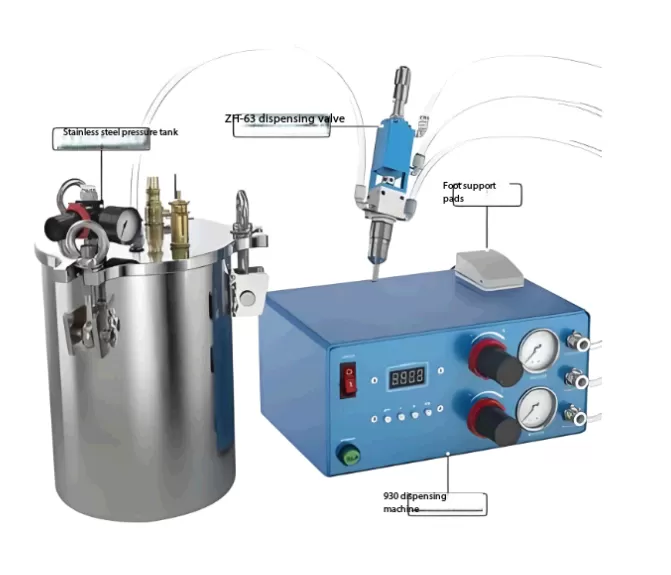
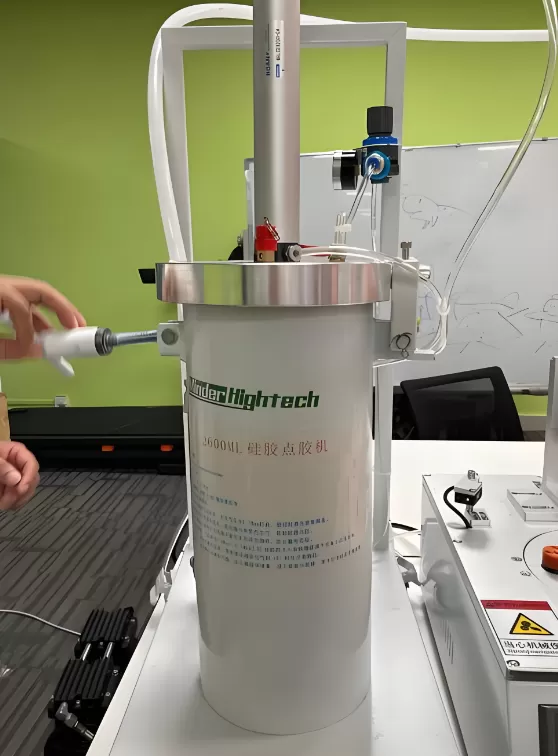
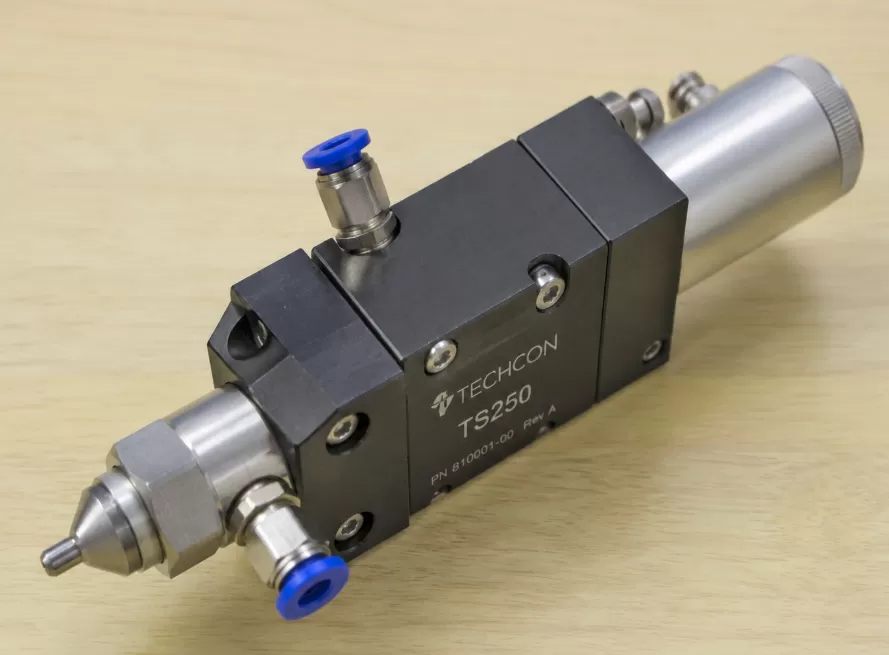
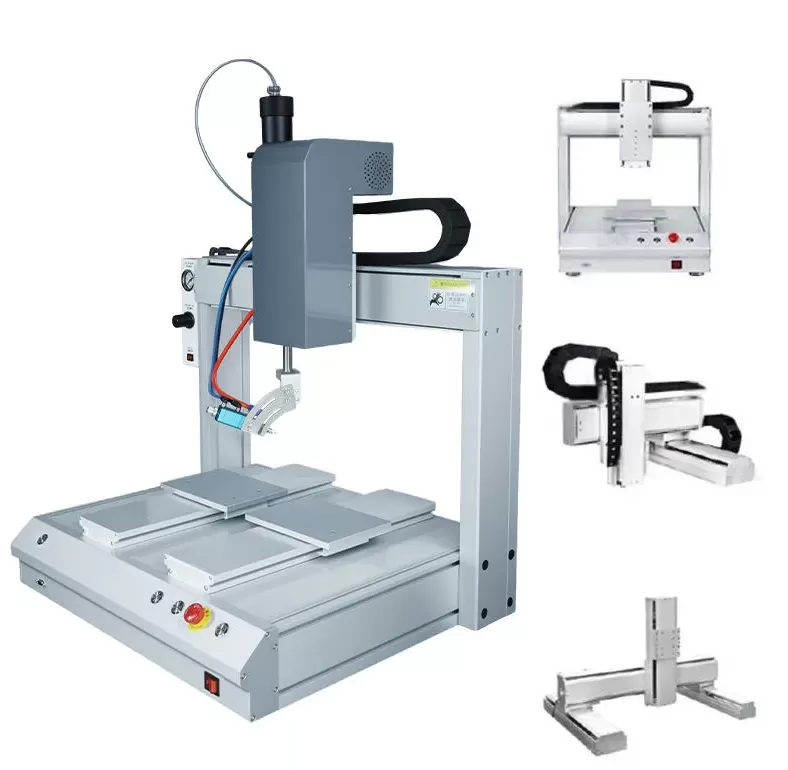
Based on 20 years of hands-on experience, this article breaks down the real differences between manual dispensing and automatic dispensing machines: • Manual hidden costs: Dot size varies 30–50%, glue tails, frequent needle wiping, and 5–12% rework rates on fine-pitch components. • Automatic advantages: ◦ Volume repeatability: ±1% glue weight across 10,000 cycles. ◦ Vision-guided positioning: essential for 0.4 mm pitch QFN underfill. ◦ Full traceability: logged time, pressure, temperature, weight. • Cost per part: Manual = ~$0.08, automatic = ~$0.012 (85% reduction). • ROI: On 50,000 units/month, payback under 4 months. Manual dispensing still works for prototypes or very large parts, but for production electronics, automatic machines eliminate rework, improve consistency, and pay for themselves quickly. The article concludes with an invitation to a side-by-side shop-floor test.

Read More
automatic screw fastening machine

How to Choose the Right Automatic Screw Fastening Machine

The article begins by emphasizing that screw fastening equipment should be selected based on the actual product, not just the machine specifications. It explains how screw type, part material, fastening position, production speed, and product variation all influence the final choice. It then highlights the importance of torque accuracy and repeatability, which are critical for fastening quality and product reliability. The article also discusses common hidden problems in automatic screw fastening, such as feeding instability and screw jamming, and explains why these issues must be carefully evaluated before purchase. In addition, the article covers the need for flexibility and factory system integration in modern production environments. It concludes by reminding readers that the lowest price is not always the best value, and that experienced technical support, stable performance, and long-term reliability are the true signs of a worthwhile investment.

Read More
How to Choose Potting Compounds

How to Choose Potting Compounds for Motor Stators, Connectors, and Temperature Sensors

Choosing the right potting compound is critical for ensuring long-term reliability in applications such as motor stators, electrical connectors, temperature sensors, pressure sensors, power modules, and industrial control systems. In harsh environments involving high temperatures, thermal cycling, vibration, and electrical stress, conventional potting materials may suffer from cracking, shrinkage, insulation failure, or poor structural stability. This article explains the key performance requirements for high-reliability potting applications and introduces Morewell MW 1796 A/B thermal-curing epoxy potting compound. With features such as low coefficient of thermal expansion (CTE), low curing shrinkage, excellent electrical insulation, H-class temperature resistance (-60°C to 200°C), and strong thermal stability, MW 1796 provides a reliable encapsulation solution for demanding industrial and electronic applications. The article also covers practical application scenarios, core technical advantages, viscosity and thermal performance data, as well as recommended processing and curing guidelines to help engineers and manufacturers improve product durability and long-term operational stability.

Read More
Automatic Glue Dispensing

How Automatic Glue Dispensing Improves PCB Assembly Quality

The problem with manual dispensing: Inconsistent volume, temperature sensitivity, and accidental contact that damages components. How automatic dispensing improves quality: Closed-loop feedback ensures identical shot volume despite temperature or humidity changes. Non-contact or controlled Z‑height eliminates needle drag and part displacement. Traceability: Every glue pattern is logged (pressure, time, position) for board-level quality proof. Target applications: While manual may work for prototypes, high‑reliability production (automotive, medical, industrial) demands automated dispensing. Bottom line: Less waste, fewer reworks, lower field failure rates – and happier customers. The real ROI is in long‑term reliability.

Read More
Glue Dispensing Machine Process

Glue Dispensing Machine Process: Step-by-Step Industrial Workflow Guide

In modern manufacturing, the glue dispensing machine process plays a critical role in ensuring precision, consistency, and production efficiency. From material preparation and machine calibration to controlled dispensing and curing, every step directly impacts product quality and reliability. A well-optimized dispensing process not only reduces material waste and labor costs but also guarantees repeatable, high-accuracy results across large-scale production. Understanding this workflow is essential for manufacturers aiming to improve bonding performance and streamline operations.

Read More
Automatic Glue Potting Machine

Automatic Glue Potting Machine Application

The Automatic Glue Potting Machine delivers precise, consistent, and efficient adhesive encapsulation for electronic components, protecting them from moisture, dust, and vibration while reducing waste and boosting production reliability.

Read More
Automatic Soldering Machine HS Code

Automatic Soldering Machine HS Code

Automatic soldering machines HS codes: 8468.80 (gas) & 8515.19 (electric). Robotic units may use 8479.50. Learn correct classification & customs tips.

Read More
Automatic Screw Fastening Machine HS Code

Automatic Screw Fastening Machine HS Code

Automatic screw fastening machines are widely used in industrial assembly lines to improve production efficiency, consistency, and fastening precision. When importing or exporting this type of equipment, selecting the correct HS code—most commonly 8479.89.99—is essential for smooth customs clearance and accurate tariff classification. This guide outlines the commonly used HS codes for automatic screw fastening and feeding machines, along with key considerations to ensure proper classification.

Read More
Glue Dispensing Machine HS Code

Glue Dispensing Machine HS Code

8479.89: This is the most standard code for automated glue dispensing machines. It covers machines and mechanical appliances having individual functions not specified elsewhere.

Read More