How it works: The process involves two key steps. First, atomization – the liquid is forced through the nozzle under high pressure or shear force, breaking it into tiny droplets. Second, droplet transport – these droplets are carried by air or inertia to the target surface, where they are deposited evenly. Key applications: • Industry – used for painting, cooling, humidifying, and sandblasting. • Agriculture – enables precise spraying of pesticides and fertilizers, reducing waste. • Medicine – found in nebulizers that deliver liquid drugs directly to patients' lungs. Why it matters: Spray valves offer precise, uniform misting, which improves performance, saves materials, and minimizes environmental impact. With ongoing technological improvements, their role is expected to expand into even more fields in the future.
Working Principle of Spray Valves
In modern industry, agriculture, and daily life, spray valves play a crucial role as key components. However, do you really understand how a spray valve works? This article aims to unveil the mystery behind this essential device.1. What Is a Spray Valve?
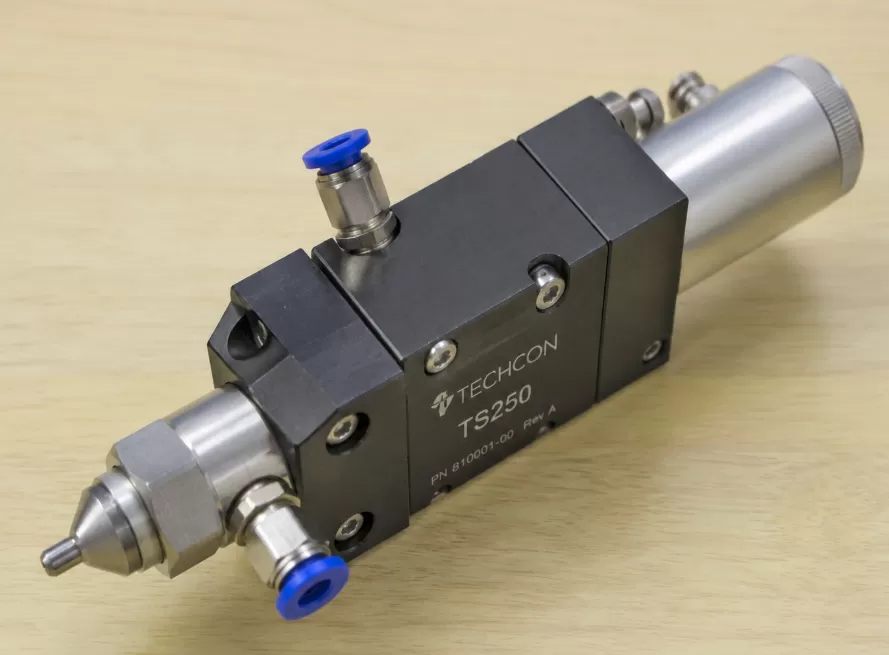
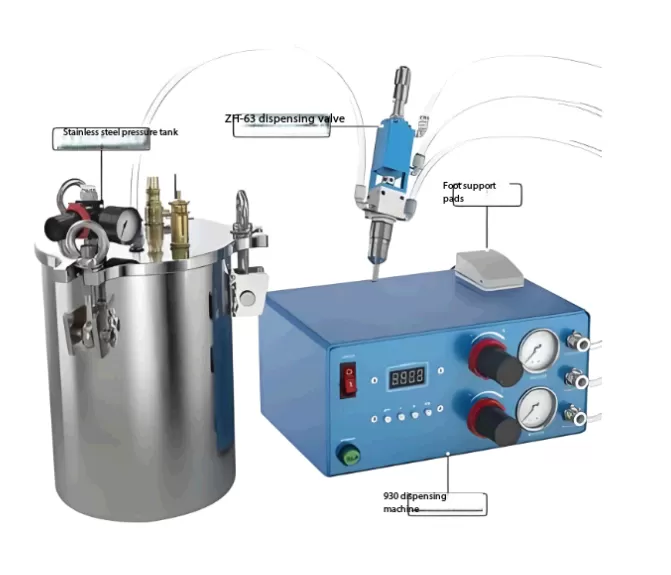
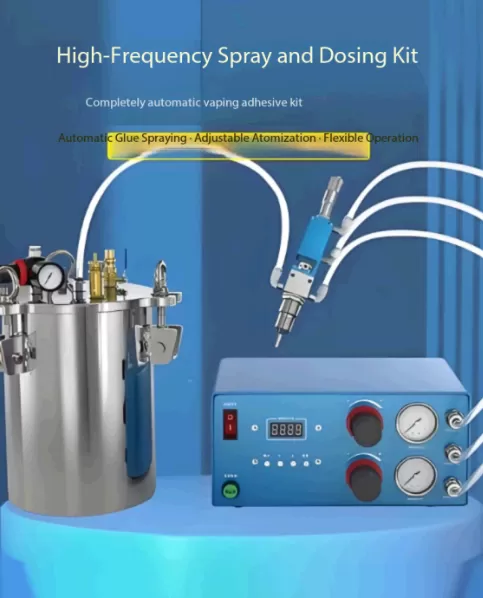
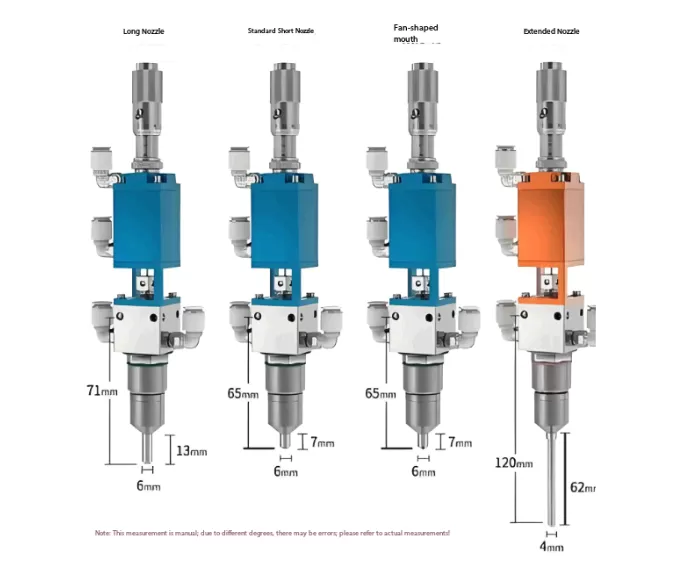
A spray valve, also known as a sprayer or atomizer, is a device that converts liquid into a fine mist. It mainly consists of a nozzle, a valve, and an actuating mechanism. The nozzle is the core component, as it breaks the liquid into tiny particles, creating a mist that can be precisely applied to various target areas.
2. Working Principle
The operating principle of a spray valve is based on two main processes: liquid atomization and droplet transport.
2.1 Liquid Atomization
When liquid passes through the nozzle, it is subjected to high pressure or other forms of energy input. Under the action of the nozzle, the liquid's velocity increases dramatically, while intense shear forces are generated. This high-speed flow and shearing action overcome the liquid's surface tension, breaking it into minute droplets. The size and distribution density of these droplets depend on the nozzle design and the properties of the liquid.
2.2 Droplet Transport
After atomization, the droplets are carried by airflow or inertial forces to the target surface. During this transport, environmental factors such as air resistance, humidity, and temperature can affect the droplets, causing them to evolve or disperse before reaching their destination.
3. Application Fields
3.1 Industrial Applications
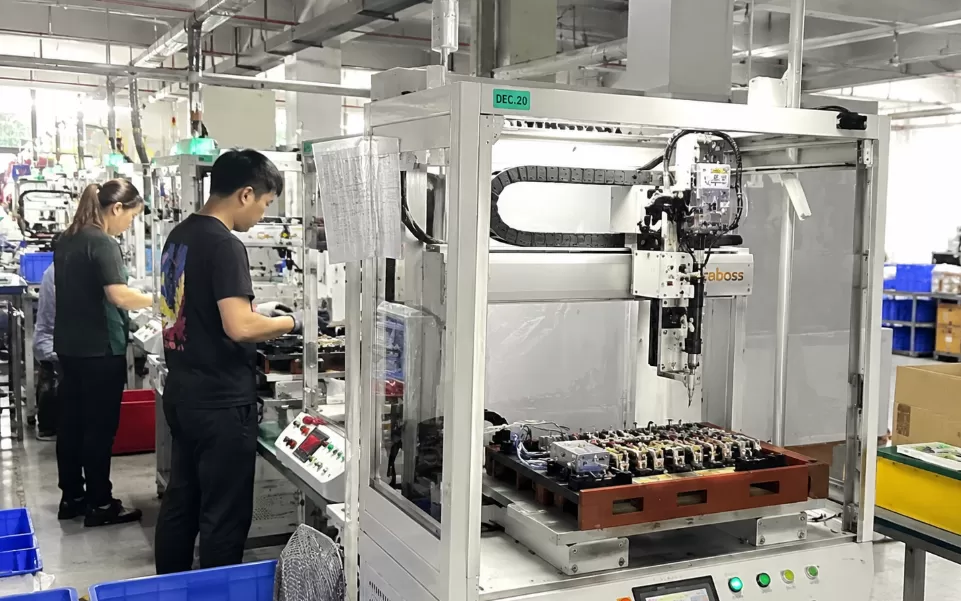
In industrial production, spray valves are used for spraying, cooling, humidifying, and sandblasting. For example, in spray coating processes, the valve turns liquid paint into fine particles, forming a uniform coating that improves both quality and efficiency.
3.2 Agricultural Applications
Agricultural spray systems are widely used for crop spraying and fertilization. By converting pesticides, fertilizers, and other liquids into a mist, spray valves enable precise application, reducing waste and environmental pollution.
3.3 Medical Applications
In the medical field, spray valves are employed for drug atomization. For instance, nebulizers convert liquid medications into a mist that patients inhale into their lungs, making them effective for treating respiratory diseases.
As a product of modern technology, spray valves play a vital role across various sectors. By understanding their working principle, we can turn liquids into fine droplets for more efficient and accurate applications. Nevertheless, the development of spray valves continues to advance, bringing both new opportunities and challenges. With further scientific and technological progress, we believe spray valves will demonstrate even greater potential and value in even more fields in the future.