The article identifies five key trends shaping the future of piezoelectric jet valves: High precision and high-frequency response – driven by demands in 3D printing and microelectronics. Intelligence and adaptive control – enabled by AI and IoT integration for real‑time monitoring and self‑adjustment. Miniaturization and integration – leveraging MEMS and nanotechnology to reduce size and improve system performance. Expansion into cross‑sector applications – including healthcare, agriculture, and aerospace. Cost reduction and wider adoption – making high‑performance valves more accessible in consumer electronics and beyond.
Future Trends of Piezoelectric Jet Valves
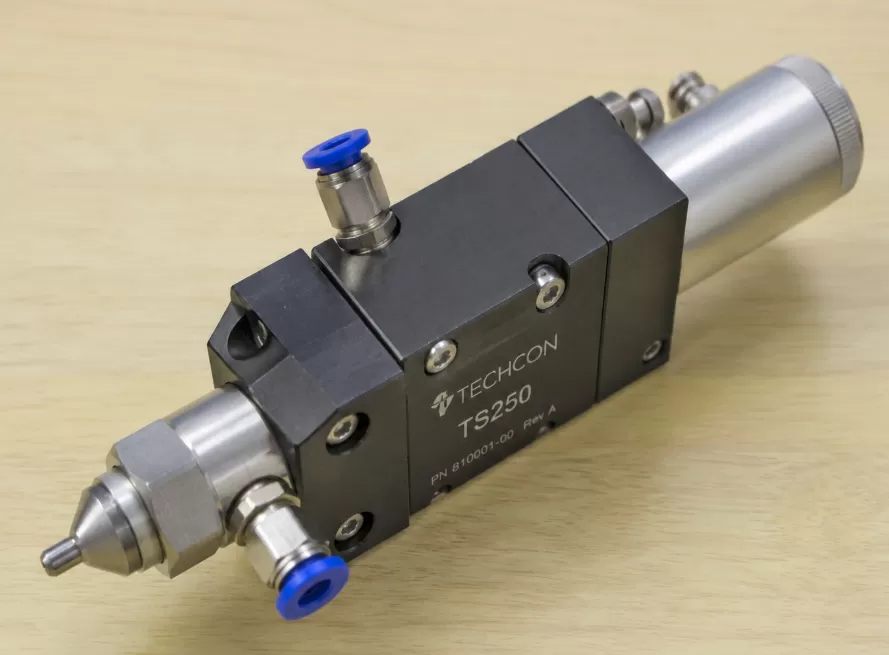
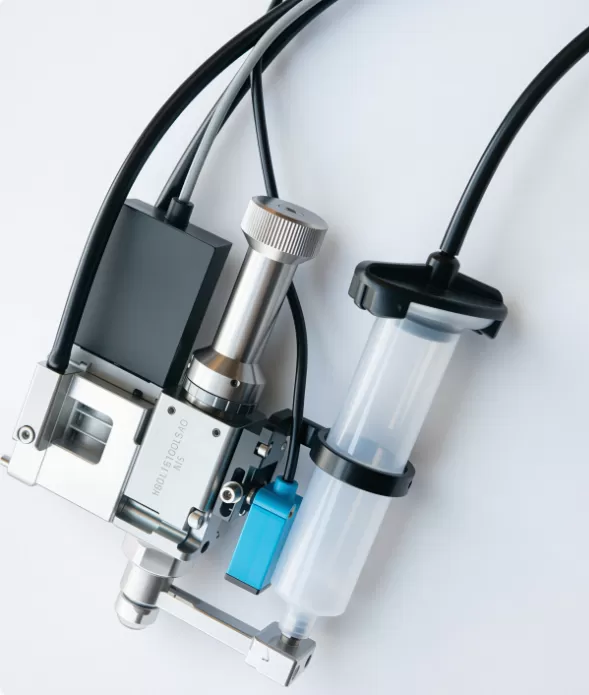
Piezoelectric jet valves are devices that leverage the mechanical deformation of piezoelectric materials under an electric field to control the ejection of liquids or gases. With broad applications spanning printing technology, fuel injection, medical equipment, and precision manufacturing, these valves are poised for significant evolution as technology advances. Below are some key directions shaping their future.
1. High Precision and High-Frequency Response
Piezoelectric jet valves are already known for their rapid response and precise control, and future developments will push these capabilities even further. The growing demand for higher precision comes primarily from printing and coating applications—especially in 3D printing and microelectronics manufacturing, where exact material deposition is critical. By improving piezoelectric materials and optimizing structural designs, manufacturers can achieve faster response times and finer resolution, enabling higher-definition jetting performance.
2. Intelligence and Adaptive Control
With the rise of artificial intelligence and the Internet of Things, piezoelectric jet valves are becoming increasingly intelligent. By integrating sensors and smart control systems, these valves can monitor their operating status in real time and automatically adjust jetting parameters to suit varying conditions and requirements. This adaptive control not only enhances stability and reliability but also reduces the need for manual intervention, making operations more convenient and user‑friendly.
3. Miniaturization and Integration
In fields like microelectronics and biomedicine, there is a strong push for smaller, more integrated devices. Future piezoelectric jet valves will follow this trend, leveraging nanotechnology and MEMS (Micro‑Electro‑Mechanical Systems) to shrink valve sizes and even integrate them onto a single chip. This miniaturization saves space while improving overall system performance and reliability.
4. Expansion into Cross‑Sector Applications
The application landscape for piezoelectric jet valves will continue to diversify beyond traditional printing and coating. Emerging uses include: precise drug delivery and minimally invasive surgical tools in healthcare; smart irrigation systems for precision water and fertilizer management in agriculture; and propulsion systems and fuel management in aerospace to enhance aircraft performance and safety. Through cross‑disciplinary integration, piezoelectric jet valves will unlock a wealth of innovative applications.
5. Cost Reduction and Wider Adoption
As manufacturing processes mature and production efficiency improves, the production cost of piezoelectric jet valves will gradually decline. This will accelerate their adoption across more industries, spurring overall market growth. In consumer electronics, for instance, lower costs will enable high‑performance piezoelectric jet valves to be used in home printers and smart devices, enhancing user experience and product capabilities.