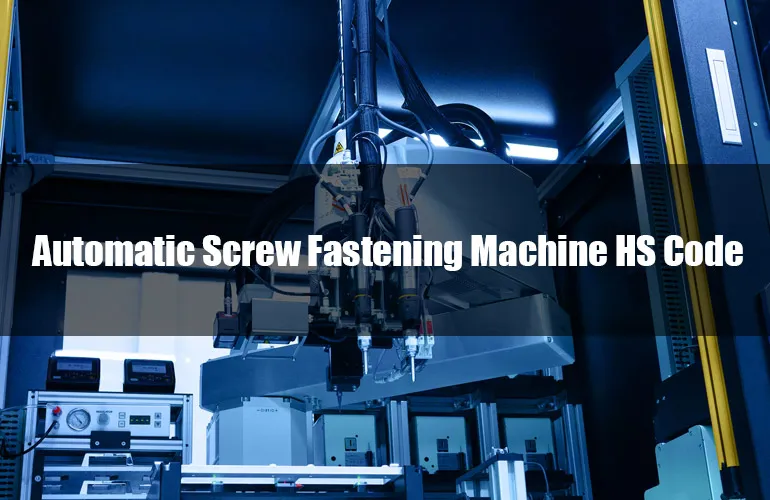
The article begins by emphasizing that screw fastening equipment should be selected based on the actual product, not just the machine specifications. It explains how screw type, part material, fastening position, production speed, and product variation all influence the final choice. It then highlights the importance of torque accuracy and repeatability, which are critical for fastening quality and product reliability. The article also discusses common hidden problems in automatic screw fastening, such as feeding instability and screw jamming, and explains why these issues must be carefully evaluated before purchase. In addition, the article covers the need for flexibility and factory system integration in modern production environments. It concludes by reminding readers that the lowest price is not always the best value, and that experienced technical support, stable performance, and long-term reliability are the true signs of a worthwhile investment.
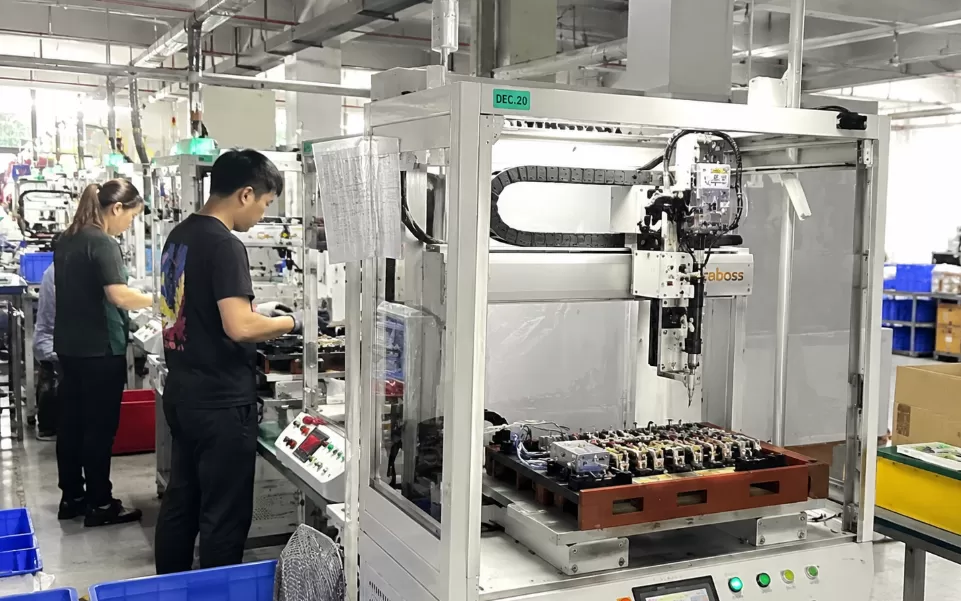
How to Choose the Right Automatic Screw Fastening Machine
Choosing the right automatic screw fastening machine is not just a matter of comparing price tags. For a procurement manager, the real question is whether the machine can deliver stable performance, fit the production line, reduce labor dependence, and keep quality under control over the long term. In my experience, the best purchasing decisions are made by looking beyond the brochure and focusing on the details that affect daily production.Start With the Product, Not the Machine
Before evaluating any equipment, begin with the product itself. What kind of screws are being used? Are the parts plastic, metal, or a mixed structure? Is the fastening position easy to access, or is it hidden inside a deep cavity? A machine that works well for one product may fail completely on another because of differences in screw length, torque requirements, thread depth, or part tolerance.
You also need to understand the production rhythm. If the line requires high-speed continuous operation, then screw feeding stability becomes critical. If the product has many variants, then quick changeover and program flexibility matter more. In real projects, many purchasing mistakes happen because buyers focus on machine specifications without matching those specifications to the actual product process.
Check Torque Control and Repeatability
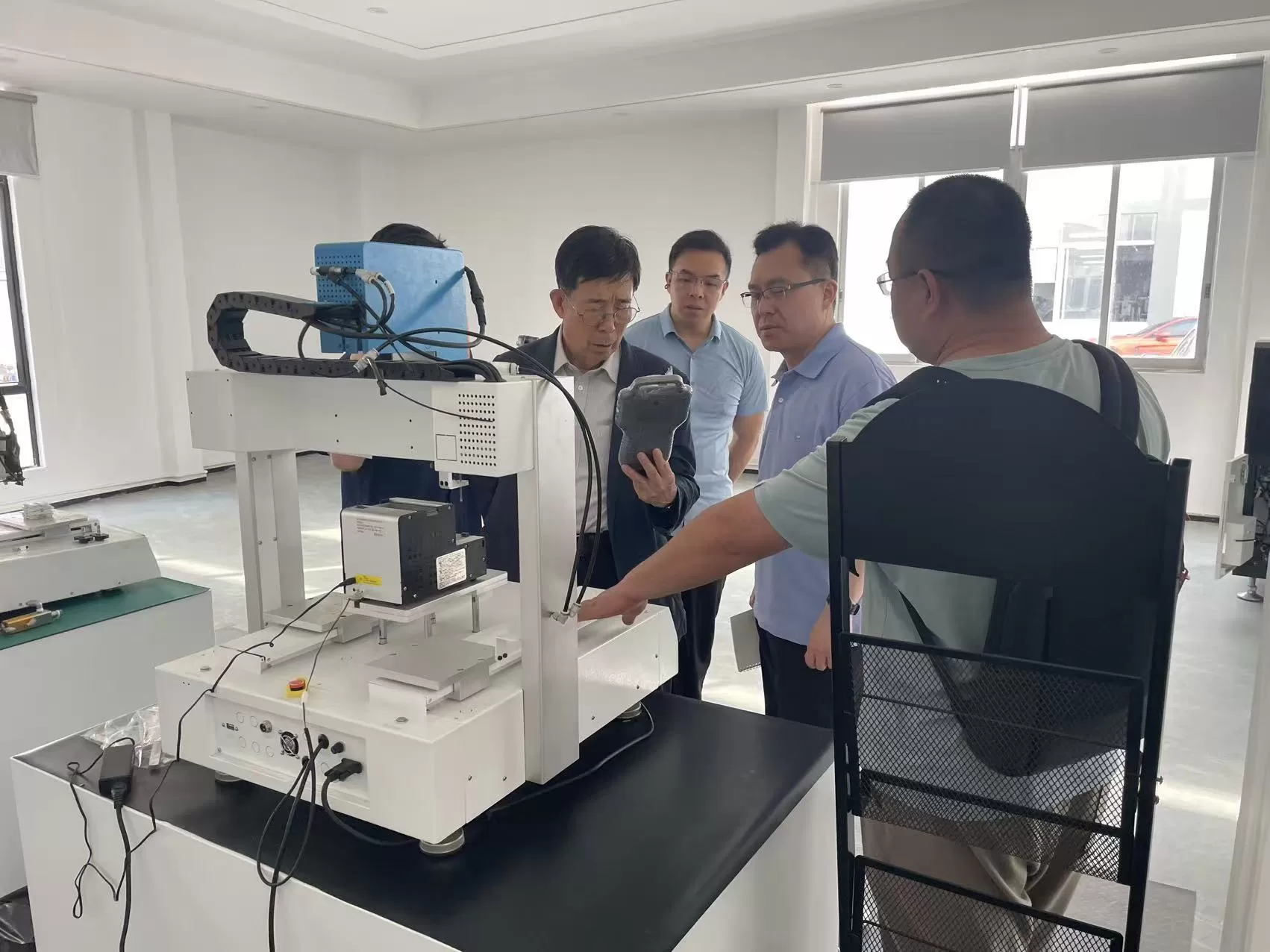
A screw fastening machine is only as good as its torque control. If torque is too low, screws loosen during vibration or transport. If torque is too high, threads may strip, housings may crack, or internal components may be damaged. Good equipment should provide stable torque output and consistent repeatability across long production runs.
Repeatability is often underestimated. A machine may perform well during a short demo, but production is different. It must maintain accuracy over thousands of cycles, with minimal drift. This is where the engineering quality of the spindle, driver, control system, and fastening logic really shows itself. For a procurement team, asking for real production data is always better than relying on a short test video.
Pay Attention to Feeding and Jam Prevention
In automatic fastening, the screw feeding system is often the source of hidden downtime. If the feeding tube is unstable, the screw may not arrive on time. If air pressure is inconsistent, feeding speed may fluctuate. If the screw shape is poor or the track design is weak, jamming will happen more often than expected.
A well-designed system should have stable feeding, simple maintenance, and clear fault detection. It should also be easy for operators to clean and inspect. In practice, many factories spend more time dealing with feeding problems than with the fastening head itself. That is why experienced engineers always pay close attention to the feed mechanism, not just the robot arm or control panel.
Evaluate Flexibility and Integration
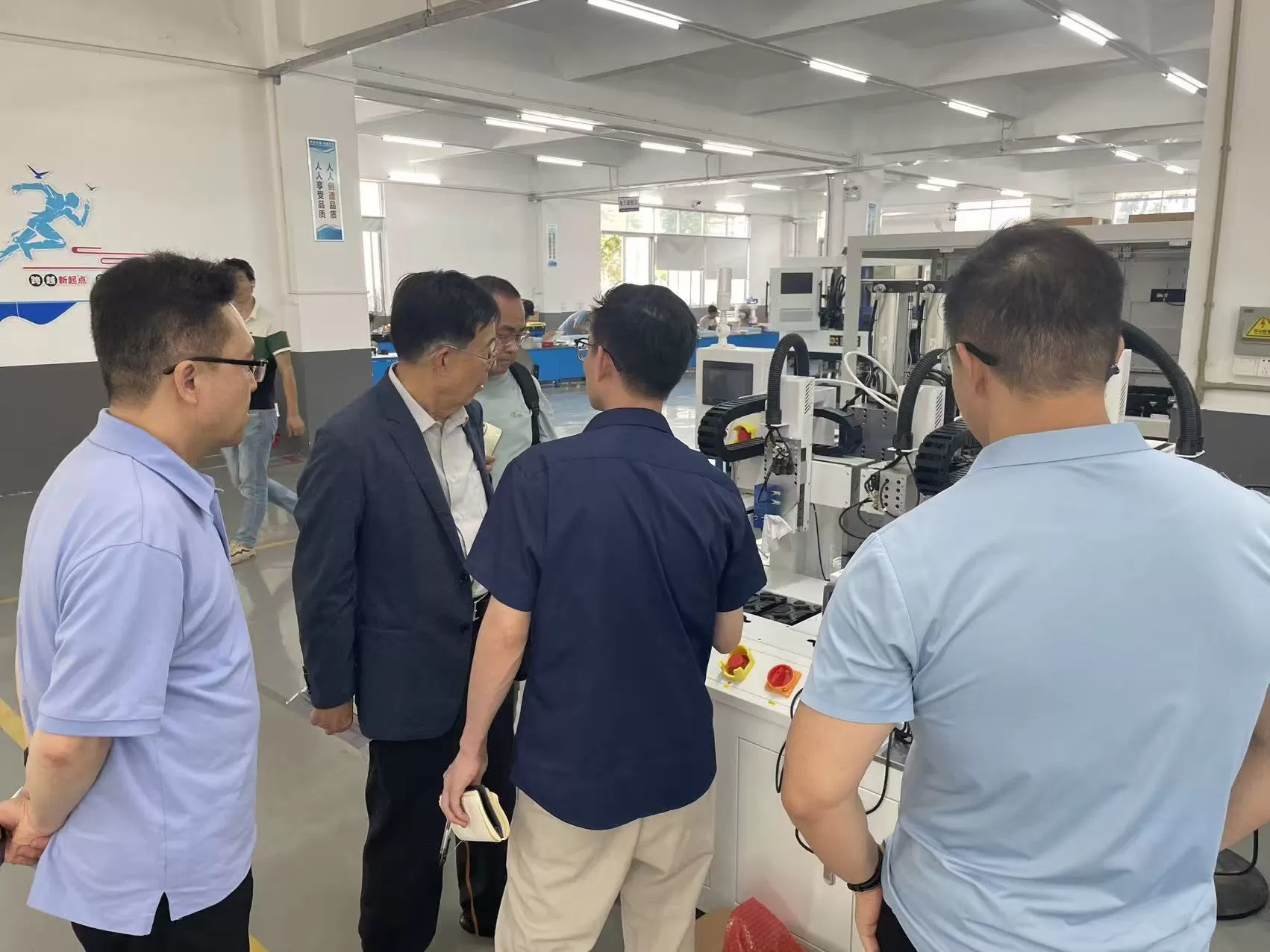
Modern factories rarely produce just one product for long. That means the machine must be flexible enough to support different models, screw positions, and fastening programs. A good automatic screw fastening machine should allow easy parameter adjustment, recipe storage, and fast switching between products.
Integration is equally important. Can the machine communicate with the line control system? Can it send output data, alarm records, and production counts to MES or other factory systems? Procurement managers should view this as a long-term investment, not a stand-alone machine purchase. The more easily the equipment fits into the digital production environment, the more value it will create over time.
Look Beyond the Purchase Price
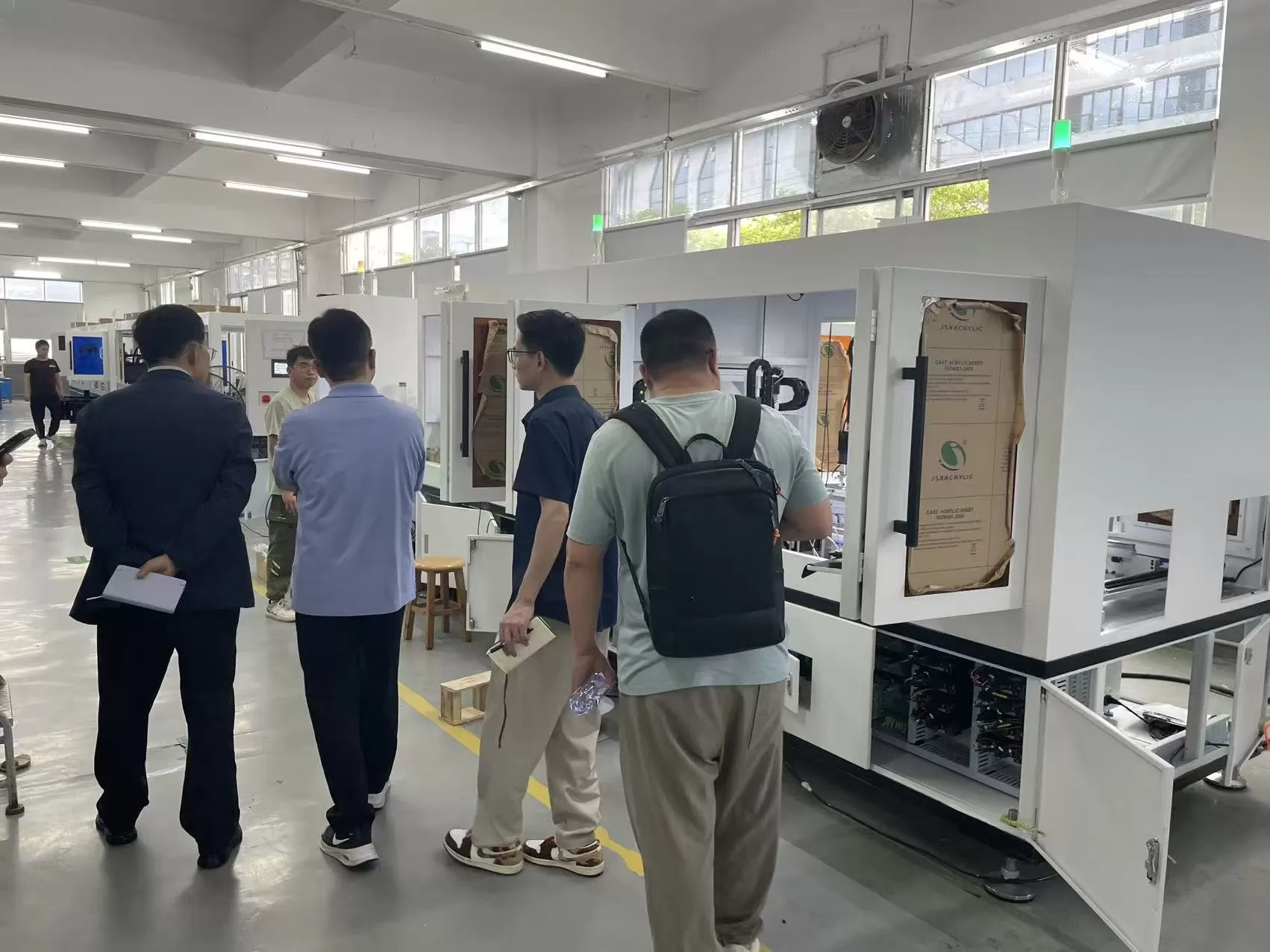
The lowest price is rarely the lowest cost. A cheaper machine may come with higher failure rates, slower support, poor spare parts availability, or unstable fastening quality. Over time, these issues cost far more than the initial savings. When comparing suppliers, look at technical support, commissioning service, training, spare parts supply, and response speed after installation.
A machine built by an experienced manufacturer usually comes with better process understanding. That matters because fastening automation is not only about motion control; it is about understanding materials, screw behavior, production takt time, and failure modes. That kind of engineering experience is often what separates a workable solution from a frustrating one.
Ask the Right Questions
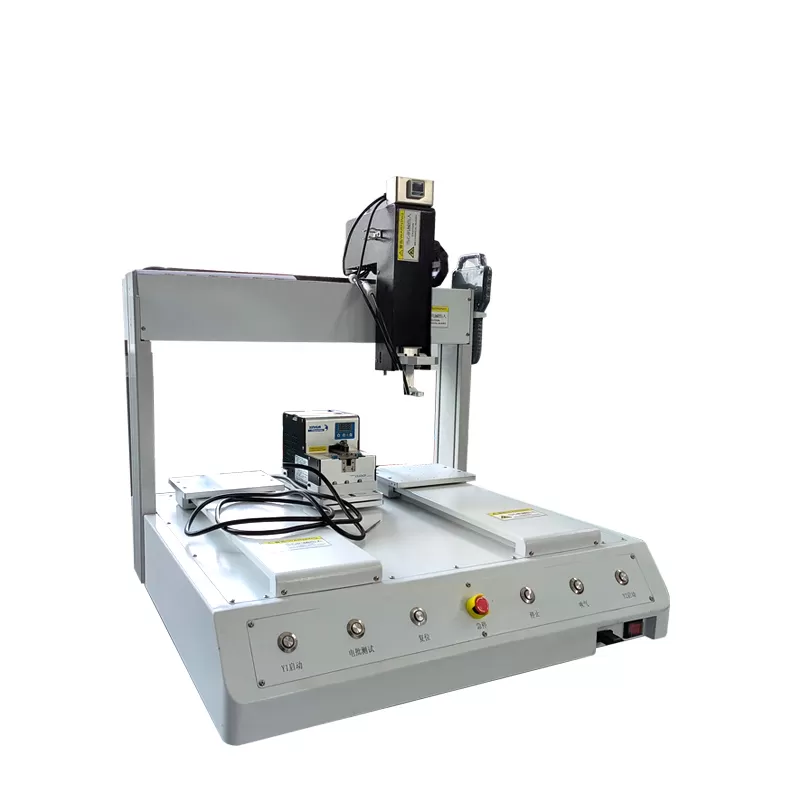
Before making a final decision, ask these questions: Can the machine handle the actual screw type? Is torque stable in continuous production? How often does the feeding system jam? How long does changeover take? How easy is maintenance? What happens if the product design changes next year?
If a supplier can answer these questions clearly and with evidence, that is a strong sign. A good automatic screw fastening machine should not only work on day one. It should keep working reliably after months and years of production.