Based on 20 years of hands-on experience, this article breaks down the real differences between manual dispensing and automatic dispensing machines: • Manual hidden costs: Dot size varies 30–50%, glue tails, frequent needle wiping, and 5–12% rework rates on fine-pitch components. • Automatic advantages: ◦ Volume repeatability: ±1% glue weight across 10,000 cycles. ◦ Vision-guided positioning: essential for 0.4 mm pitch QFN underfill. ◦ Full traceability: logged time, pressure, temperature, weight. • Cost per part: Manual = ~$0.08, automatic = ~$0.012 (85% reduction). • ROI: On 50,000 units/month, payback under 4 months. Manual dispensing still works for prototypes or very large parts, but for production electronics, automatic machines eliminate rework, improve consistency, and pay for themselves quickly. The article concludes with an invitation to a side-by-side shop-floor test.
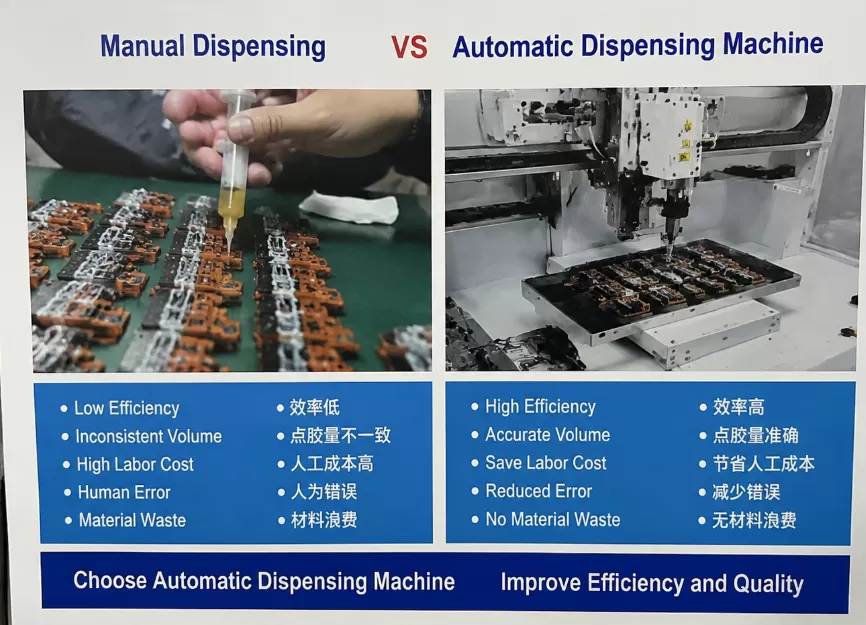
Manual Dispensing vs Automatic Dispensing Machine
I started my career holding a manual syringe dispenser. My wrist still remembers the pain after eight hours of pushing plungers on thousands of PCBs. Back then, I thought that was just “the cost of quality.” Fifteen years and dozens of customer disasters later, I know better.Today, I design automatic dispensing systems for the same people I used to be. And when a prospect asks me, “Why can’t we just keep doing it by hand?” I take them to my lab and run a side‑by‑side test. The results never change.
Let me be blunt: manual dispensing looks cheap until you count the waste. A hand‑held syringe costs maybe $50. But watch an operator use it for an hour. Dot size varies by 30–50% because thumb pressure isn’t a servo motor. Glue tails form when they pull up too fast. And every third dot, they wipe the needle on a rag – losing five seconds per cycle.
On a board with 15 dots, that adds 75 seconds per unit. Run 1,000 boards, and you’ve burned 21 hours of pure non‑value‑added motion. Then add rework. I’ve measured manual dispensing rework rates between 5% and 12% for tight pitch components. Automatic? Usually below 0.5%.
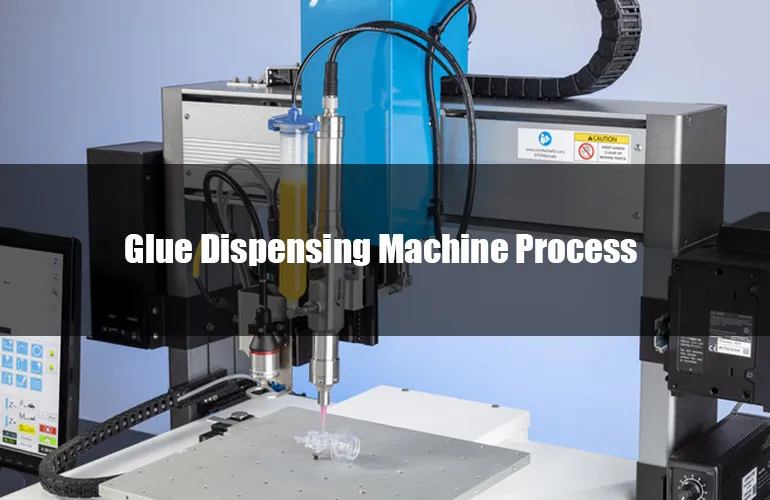
An automatic dispensing machine – even a simple desktop model – does three things no human can match consistently.
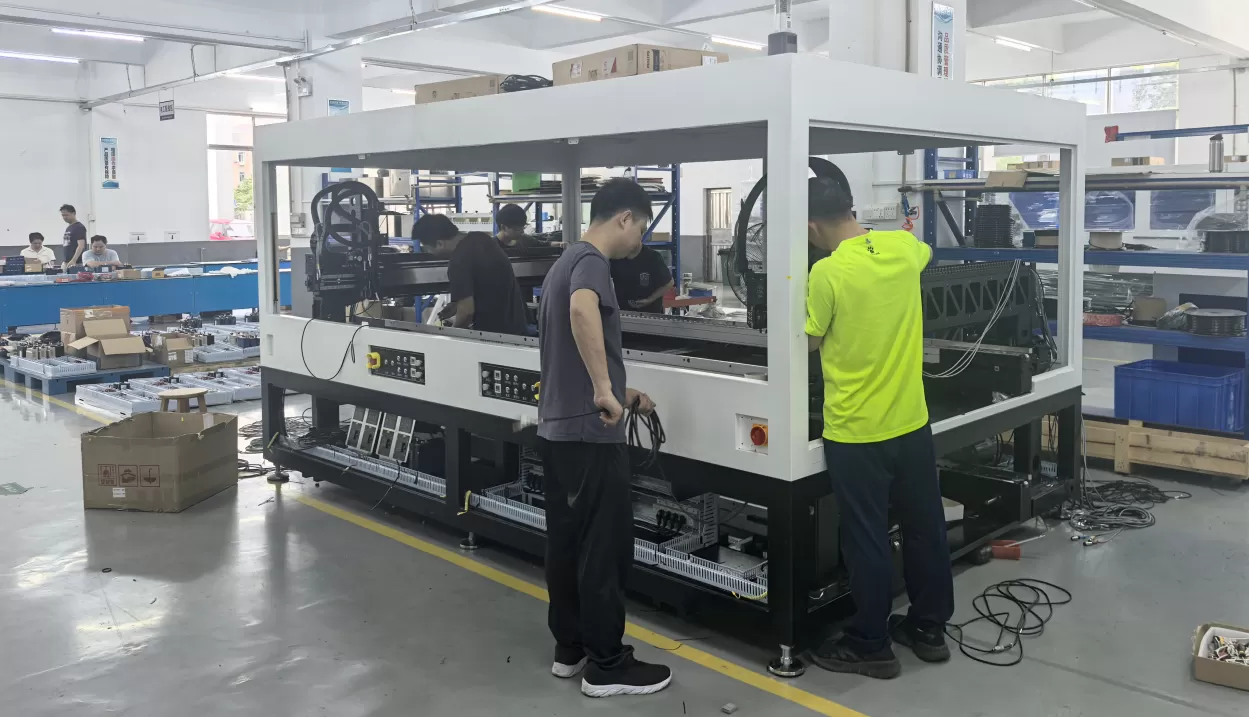
First, volume repeatability. A positive displacement pump (like our piston or auger valves) delivers the same micro‑liter shot, shot after shot. I set up a system last month that held ±1% glue weight across 10,000 cycles. Try doing that with your thumb.
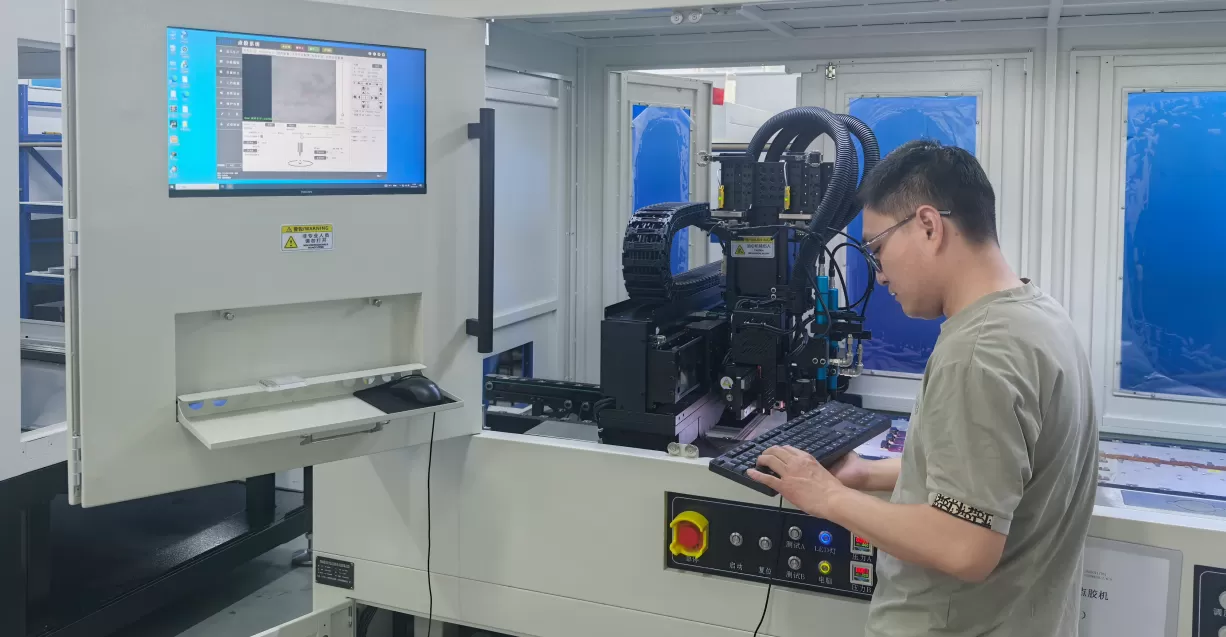
Second, positioning. Manual operators rely on their eyes and a shaky stencil mark. Automatic machines use vision alignment to find fiducials. On a QFN with 0.4 mm pitch, that’s the difference between a perfect underfill and a bridge that shorts the whole board.
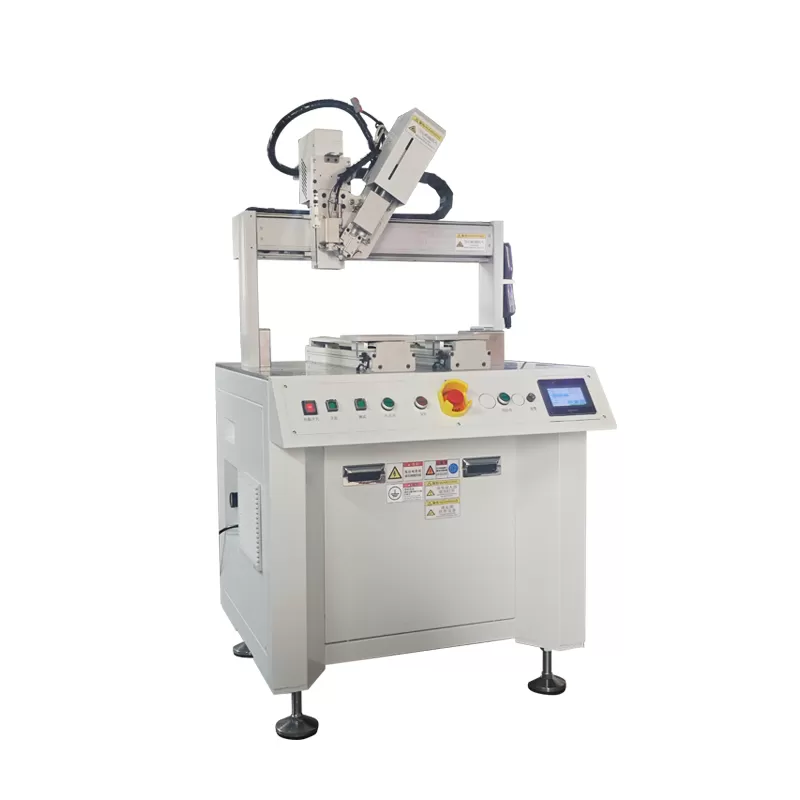
Third, traceability. Your customer asks, “Did you dispense the correct volume on batch #402?” With manual, you shrug. With an automatic machine, I pull up the logged data for every single joint – time, pressure, temperature, weight. That documentation alone has saved my clients from million‑dollar liability claims.
I hear the same objection every week: “But an automatic dispenser costs $15k–$50k.” True. Now let’s do the math. A manual operator at $20/hour, with 10% rework, and 25% idle time for refills and cleaning, costs you roughly $0.08 per dispensed part. An automatic machine runs at $0.012 per part (electricity + wear + occasional cleaning). That’s an 85% reduction in operating cost.
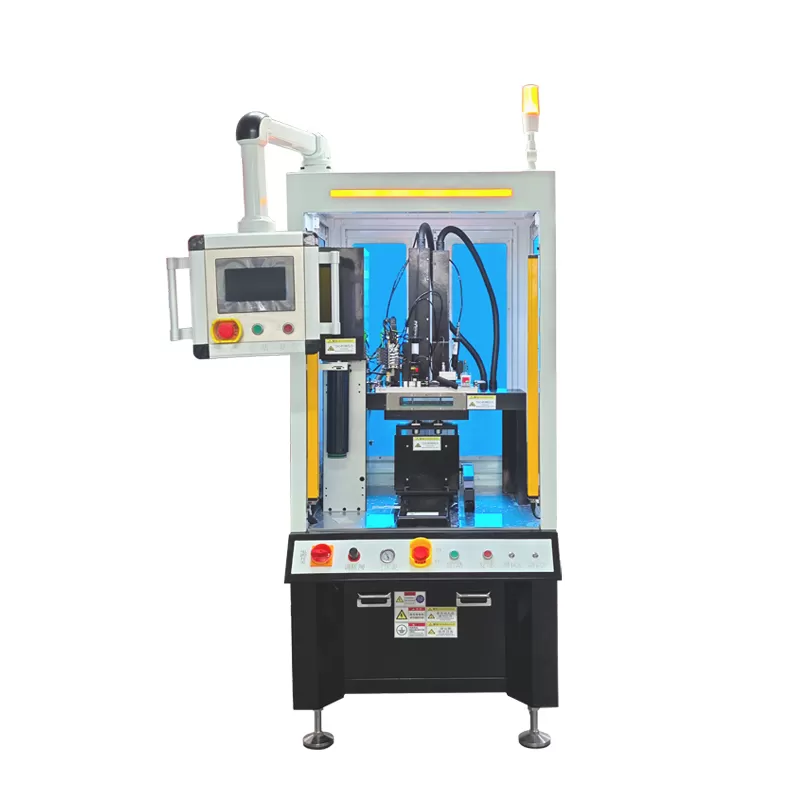
On a monthly volume of 50,000 units, the automatic machine pays for itself in under four months. After that, it’s pure profit. I’ve seen this happen at least 200 times.
Look, I’m not saying manual dispensing should die. For prototype runs under 100 pieces, or gluing something the size of a car door, a syringe is fine. But for production electronics – think smart home devices, battery packs, sensors, medical disposables – manual is a bottleneck disguised as a bargain.
After 20 years, I don’t sell machines. I sell sleep. My customers stop worrying about missed dots, clogged needles, and angry QA emails. They press “start” in the morning and collect perfect boards in the afternoon.
So if you’re still squeezing a syringe and hoping for the best, come visit my shop. I’ll run your board on our entry‑level automatic dispenser. You bring the stopwatch. I’ll bring the coffee. Let the machine do the work – your wrist will thank me.