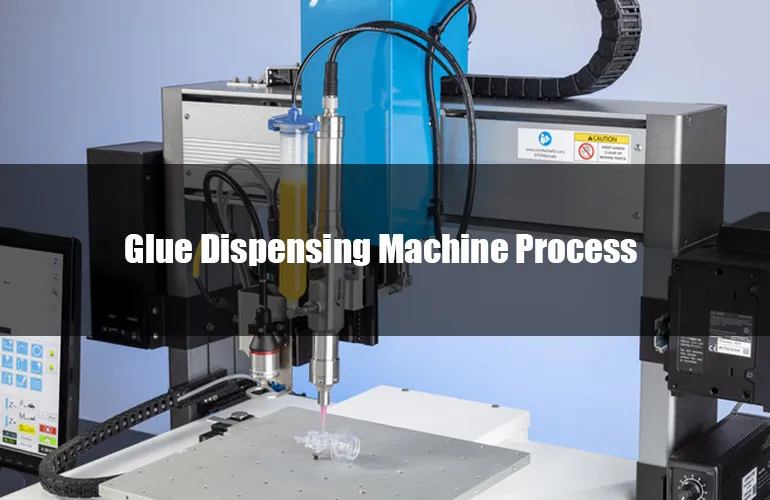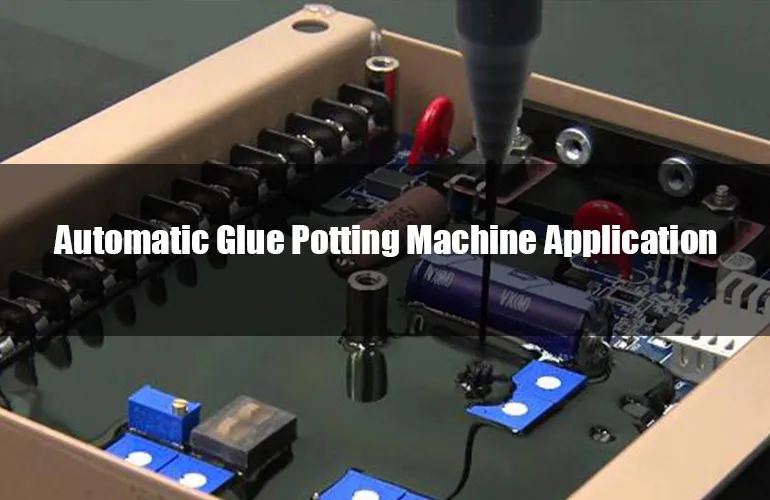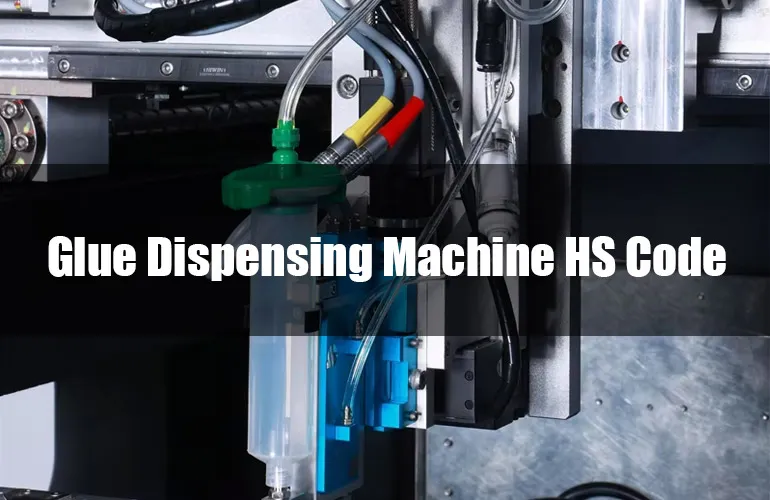
The problem with manual dispensing: Inconsistent volume, temperature sensitivity, and accidental contact that damages components. How automatic dispensing improves quality: Closed-loop feedback ensures identical shot volume despite temperature or humidity changes. Non-contact or controlled Z‑height eliminates needle drag and part displacement. Traceability: Every glue pattern is logged (pressure, time, position) for board-level quality proof. Target applications: While manual may work for prototypes, high‑reliability production (automotive, medical, industrial) demands automated dispensing. Bottom line: Less waste, fewer reworks, lower field failure rates – and happier customers. The real ROI is in long‑term reliability.
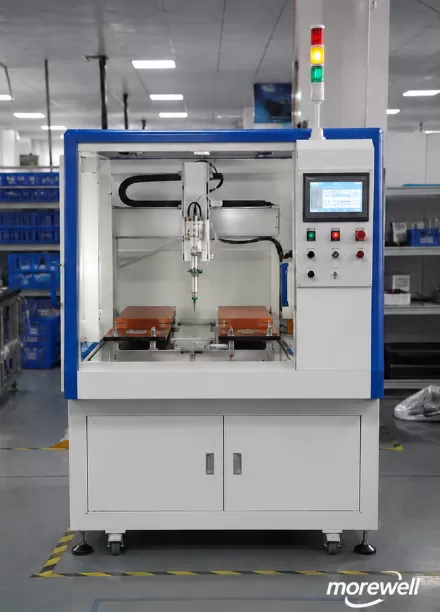
How Automatic Glue Dispensing Improves PCB Assembly Quality
If you’ve been in PCB assembly for more than a few years, you’ve seen the mess manual dispensing can make. Inconsistent beads, air bubbles, missed pads – and that’s on a good day. I’ve spent the last 20 years dialing in fluid dispensing systems, and I can tell you this: moving to an automated glue dispenser isn’t just about speed. It’s about finally getting repeatable, reliable results that manual methods simply can’t touch.
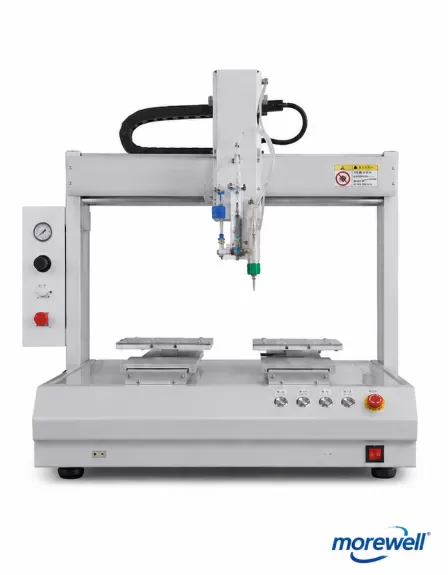
Let me give you a real example. A few months ago, a client came to me with intermittent failures on their power modules. Turns out, their operators were applying underfill by hand. One day the viscosity was fine, the next day the shop was warmer, and the glue thinned out – leading to fillets that crept onto nearby components. That’s a classic failure mode. With an automatic dispenser equipped with closed-loop feedback, you get the exact same shot volume and needle path every cycle. Temperature? Humidity? The system compensates.
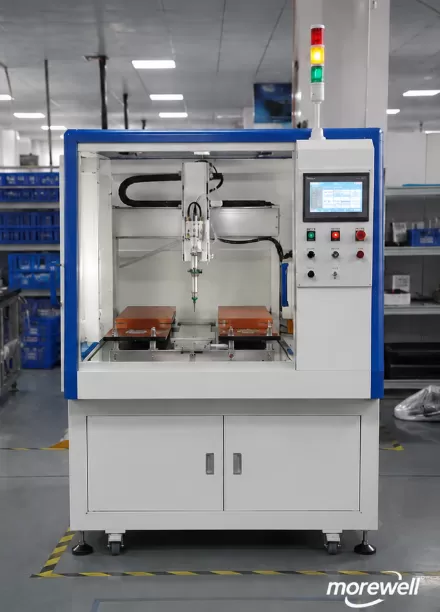
But precision isn’t the only win. Think about contamination. In manual dispensing, how many times have you seen a syringe tip accidentally touch a chip capacitor? It dislodges the part, and nobody notices until final test fails. Automatic systems use non-contact jetting or precise Z‑height control. The needle never drags across your delicate boards. That alone can slash your rework rate by double digits.
Then there’s traceability. Your buyers want proof of quality. With automated dispensing, every glue pattern is logged – pressure, time, position. You can pull data for any board serial number. Try doing that with a hand-held syringe.
Look, I’m not saying manual dispensing doesn’t work for low-volume prototypes. But if you’re running production boards where reliability matters – automotive, medical, industrial – you need the consistency only a machine can give. Less waste, fewer field failures, and happier customers. That’s the real ROI.